How Long Should You Nap? Timing and Trade-offs
A short nap can restore focus and a long one can wreck the night. Where the 10, 30, and 90 minute options differ, why the afternoon dip is real, and how to nap without paying for it at bedtime.
The archive
30 guides and counting — newest first. Each one is written to be finished and used the same day.
A short nap can restore focus and a long one can wreck the night. Where the 10, 30, and 90 minute options differ, why the afternoon dip is real, and how to nap without paying for it at bedtime.
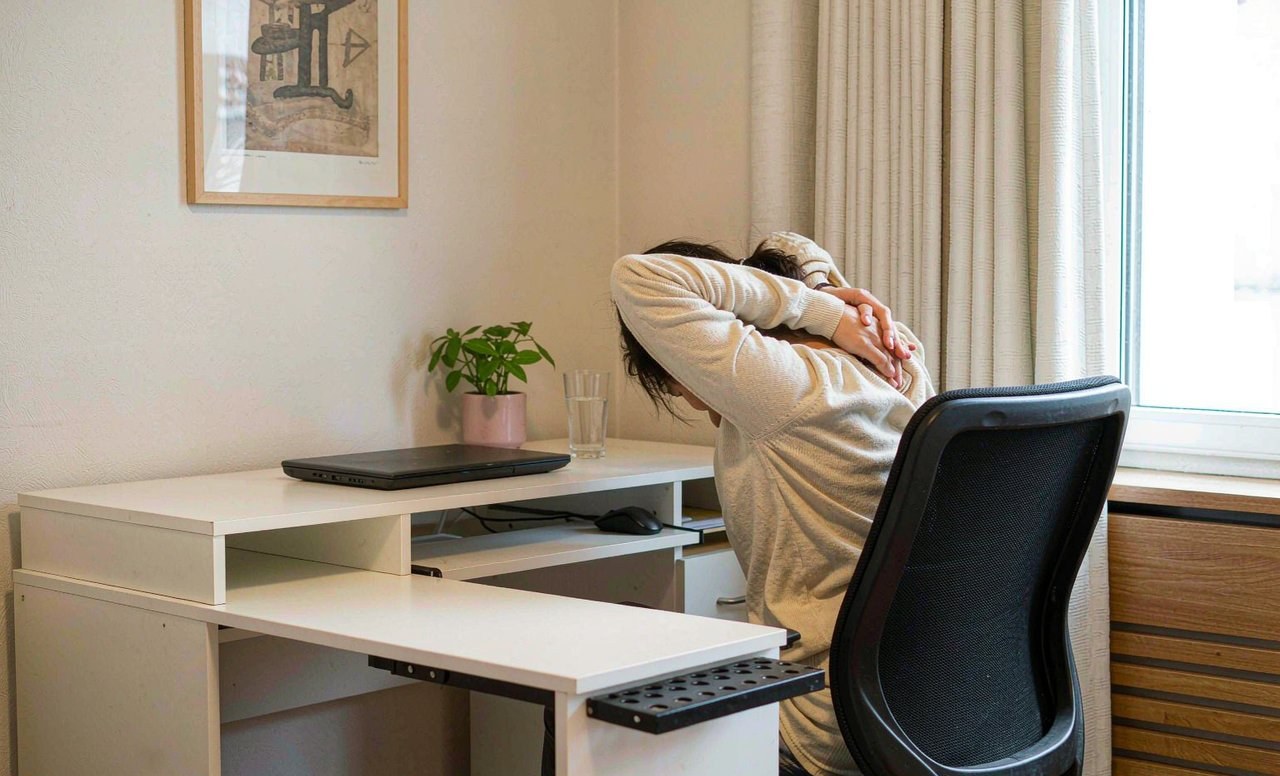
Tight neck and shoulders from desk work respond well to simple daily habits: posture resets, gentle stretches you can do at your desk, heat, and movement breaks. Here is a routine you can keep.
Light, temperature, noise, and bedding quietly decide how well you sleep. Here is how to tune each part of your bedroom — mostly for free — plus what to do when a partner, pet, or street noise complicates things.
That 4 p.m. coffee can still be working at bedtime. Here's how caffeine timing actually works, where it hides, and a simple two-week experiment to find your own cutoff.
Ten minutes of outdoor light in the morning is the cheapest energy upgrade there is. Why it works, how to do it in real life, and what to do when mornings are dark.
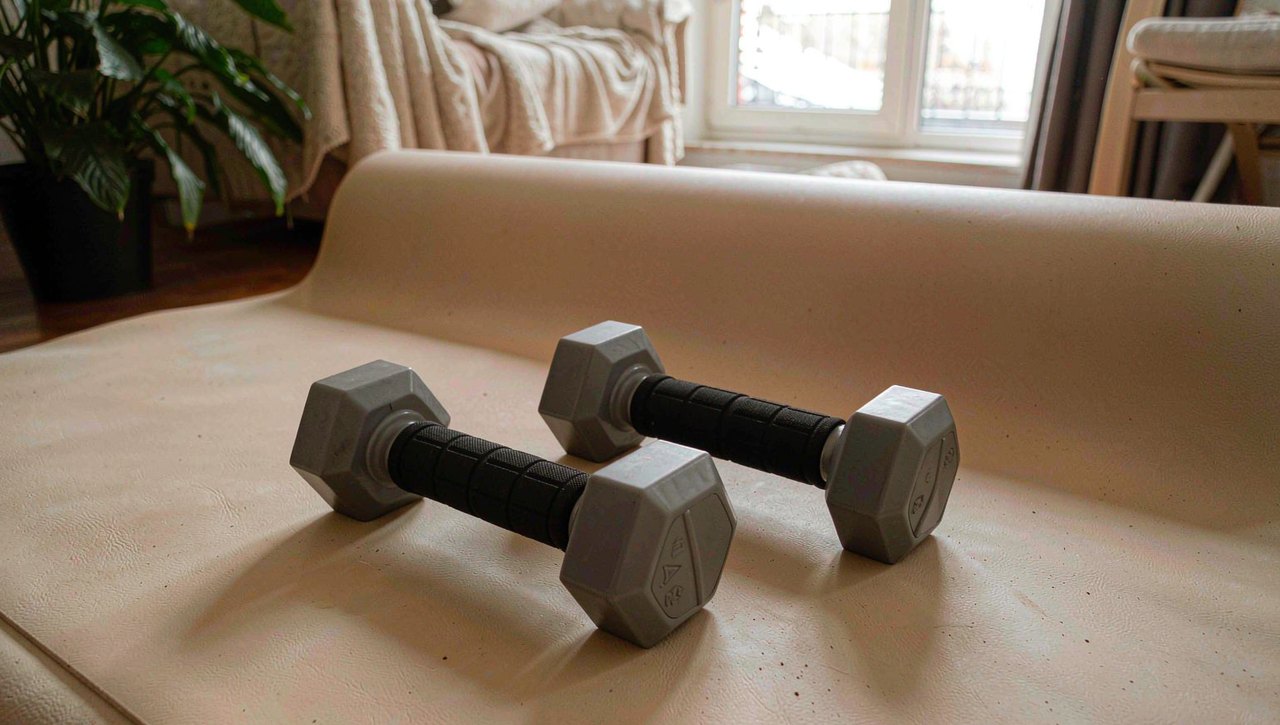
One pair of dumbbells, one mat, twenty minutes. A simple full-body plan for beginners: which moves to do, how to progress week by week, and what to skip.
Protein advice ranges from "barely any" to "a shake every meal." Here is what established guidelines actually say, how to translate grams into real food, and who needs more.
Middle-of-the-night wake-ups are normal — staying awake is the problem. Why you wake, what to do in the first ten minutes, and the daytime habits that make 3 AM less interesting.
Your breath is the one stress lever you carry everywhere. Five simple techniques — when to use each, exactly how to do them, and the mistakes that make breathing exercises backfire.
A good warm-up is not a ritual you tolerate — it is the first set of your workout. What a warm-up actually does, the five-minute routine we use, and why stretching cold muscles first is the wrong order.
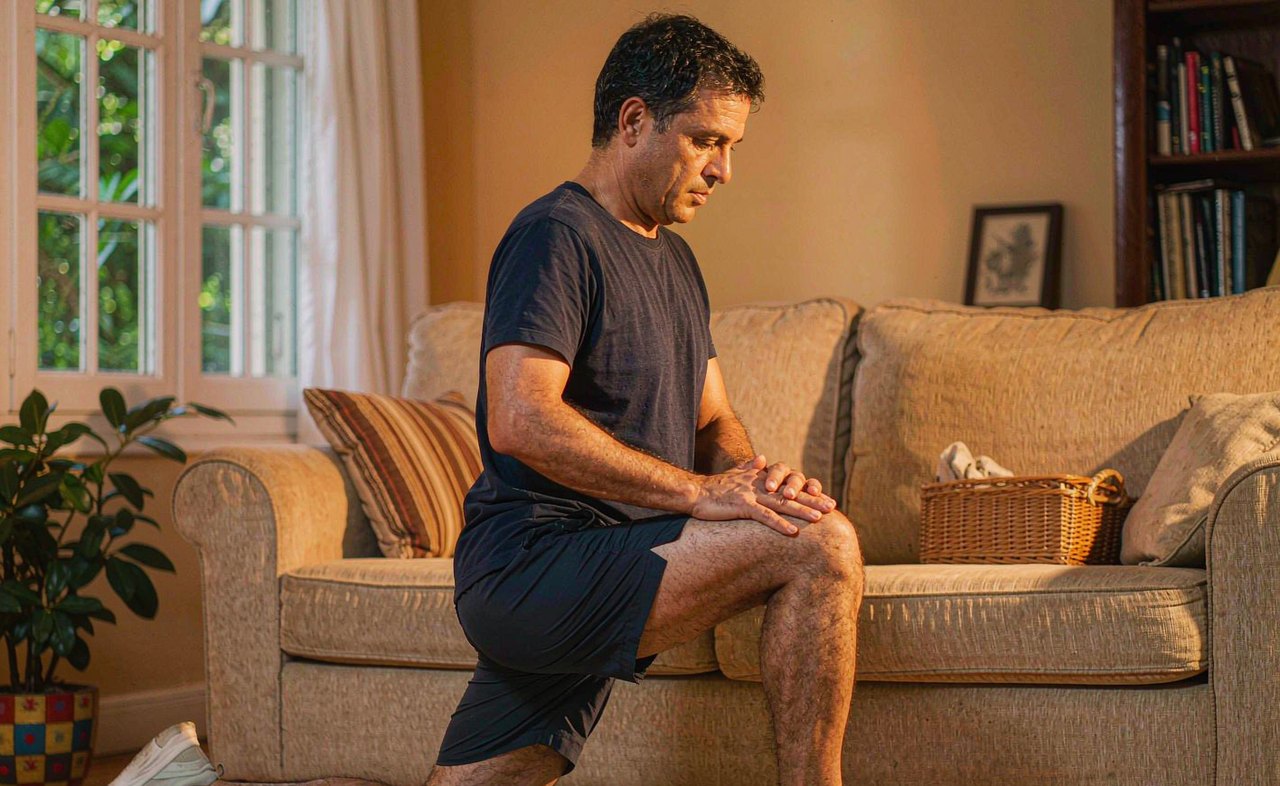
Tight hips after a day at the desk are not a character flaw — they are geometry. Why sitting shortens the hip flexors, four stretches that restore the range, and how to fit them into a normal day.
Exercise does not make you fitter — it creates the signal, and recovery does the building. Why rest days matter, what active recovery really means, and the recovery basics that cost nothing.
Lower back stiffness usually wants movement, not rest. A gentle ten-minute daily routine, how to do each stretch safely, and the warning signs that mean you should talk to a professional instead.
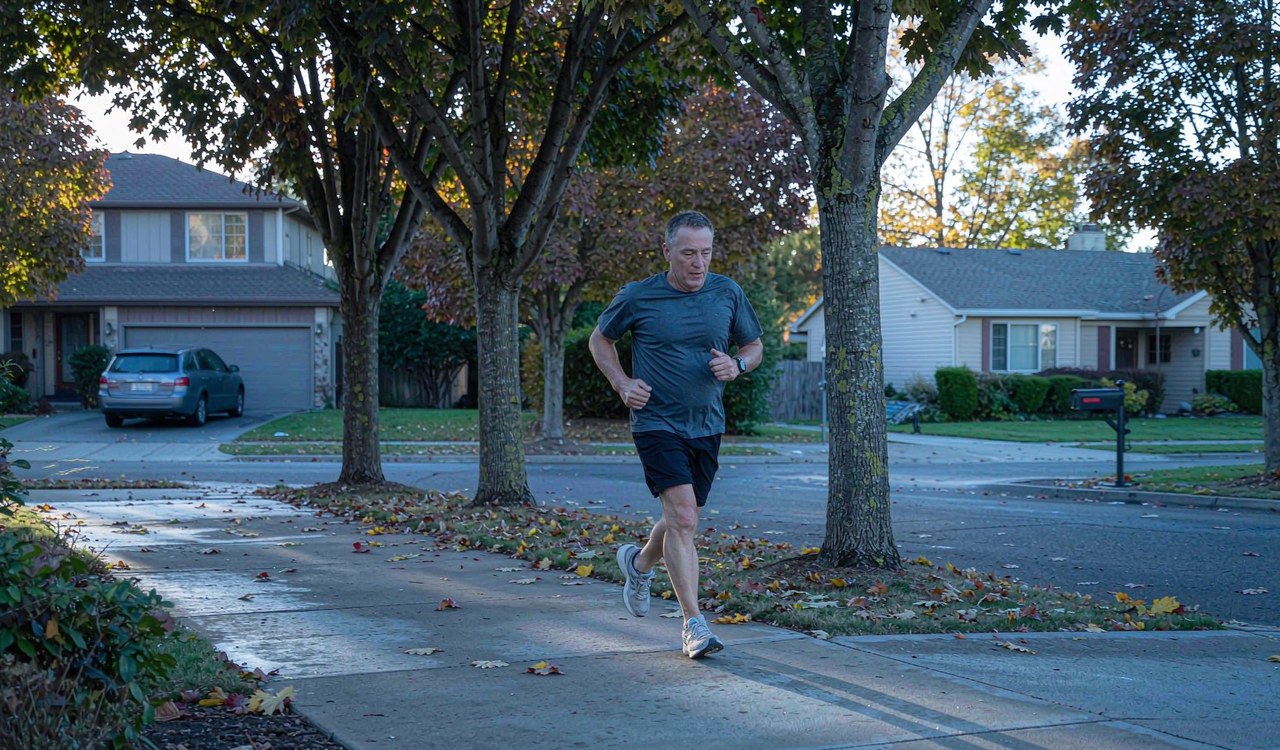
You do not need to be fit to start running — you need a plan that starts easier than you expect. A four-week run–walk progression, the pace rule that prevents burnout, and the mistakes that make beginners quit.
Dry, tired, blurry eyes at the end of a screen day are common — and usually temporary. Why screens strain eyes, the 20-20-20 rule that helps, a desk setup that reduces the load, and when to get your eyes checked.
If you fall asleep late, wake groggy, and swing between weekday deprivation and weekend catch-up, the problem is not one bad night — it is a drifted body clock. Here is a practical two-week plan to reset it.
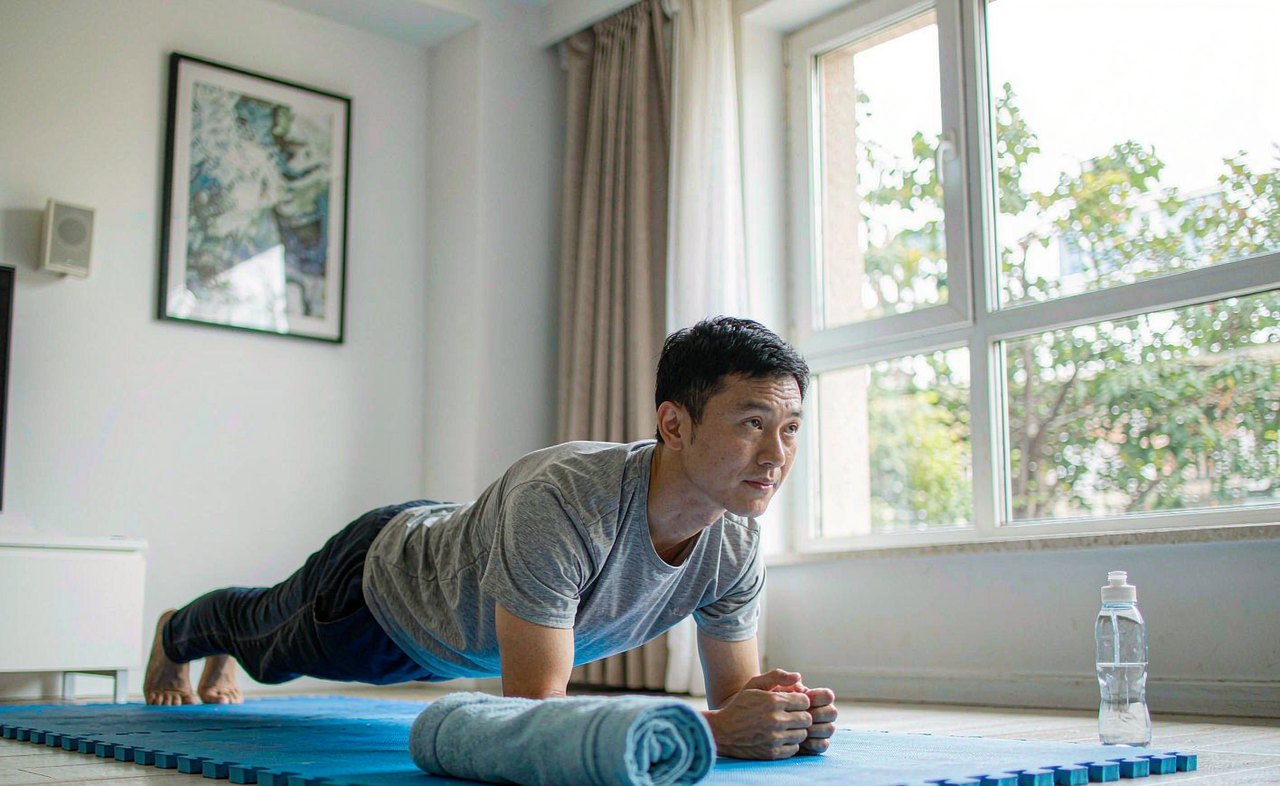
Your core is a stabilizer, not a six-pack project. This no-crunch, 15-minute home routine trains it the way it actually works — with planks, dead bugs, and bird dogs — plus form cues, progressions, and what to expect in six weeks.
Nutrition panels are built for legal compliance, not quick decisions. Here is a 60-second method: serving sizes first, then protein, fiber and added sugars, then the ingredient list — and which front-of-pack claims to ignore.
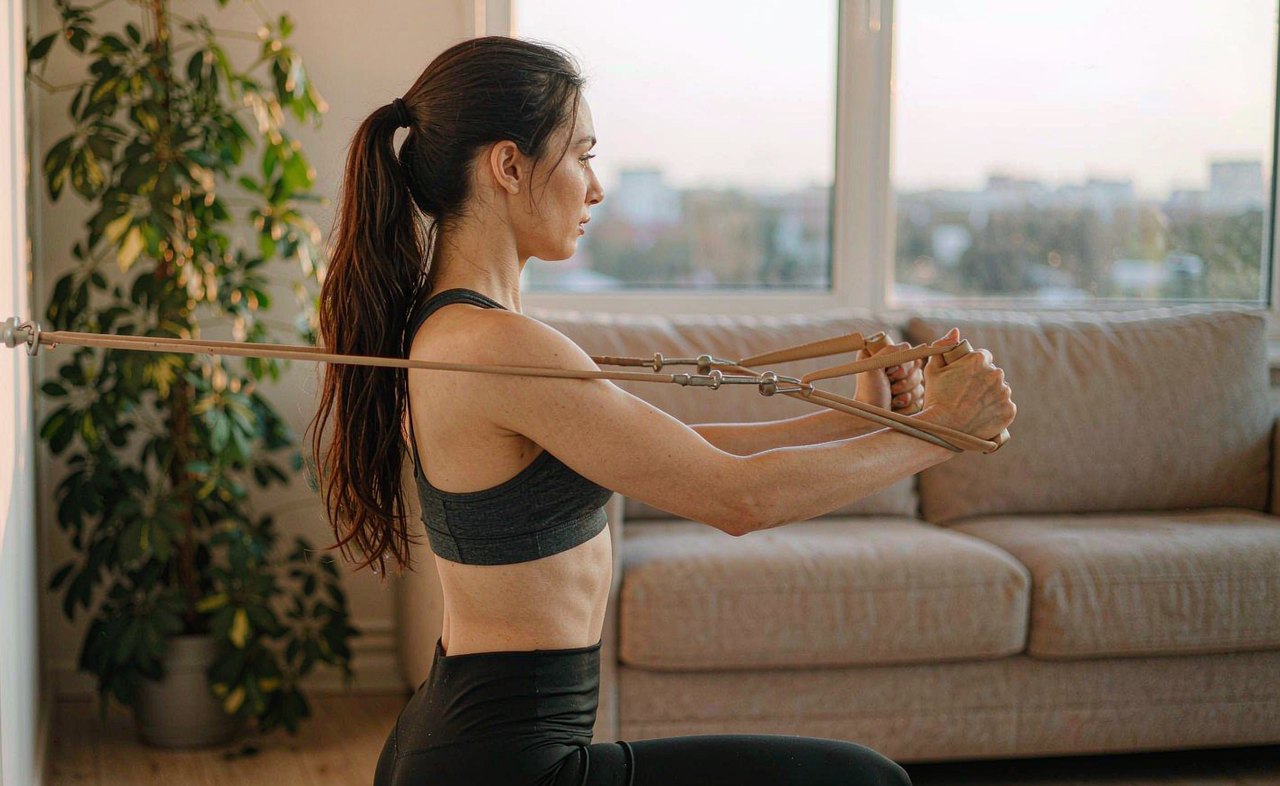
A pair of resistance bands costs less than one month of gym membership and fits in a drawer. Here is a beginner-friendly full-body routine, how to pick the right band tension, and the three mistakes that make bands feel useless.
Posture is not a position you hold — it is a set of habits and muscles that either support you or don’t. Skip the posture corrector braces: here is the honest, evidence-informed approach, from desk setup to the five exercises that matter.
The 3pm crash is rarely about weak willpower — it is about what you ate at noon and what you reach for at three. A simple protein-plus-fiber formula, ten practical snack ideas, and the portion sizes that keep snacks from becoming a fourth meal.
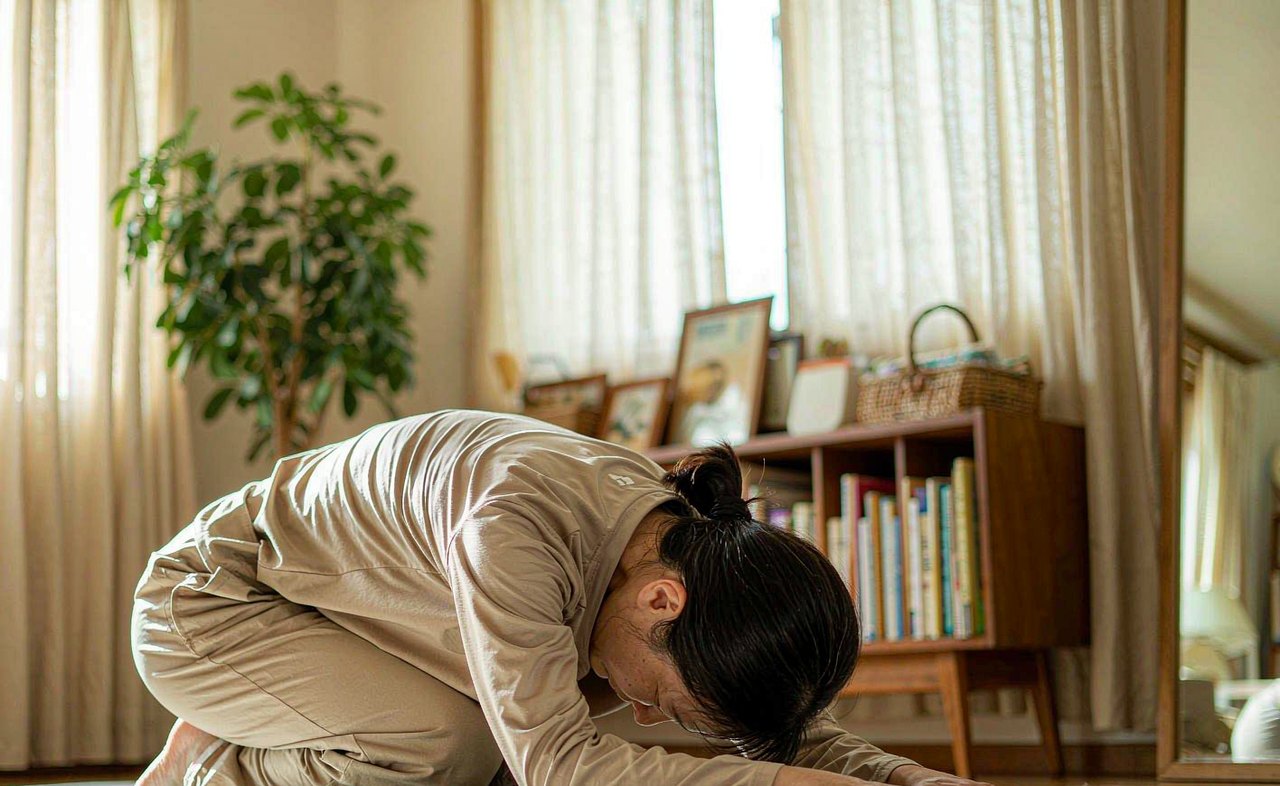
Waking up stiff is normal — lying still for eight hours is why. Here is a ten-minute floor-to-standing routine that loosens the back, hips and shoulders, plus the two mistakes that make morning stretching feel pointless.
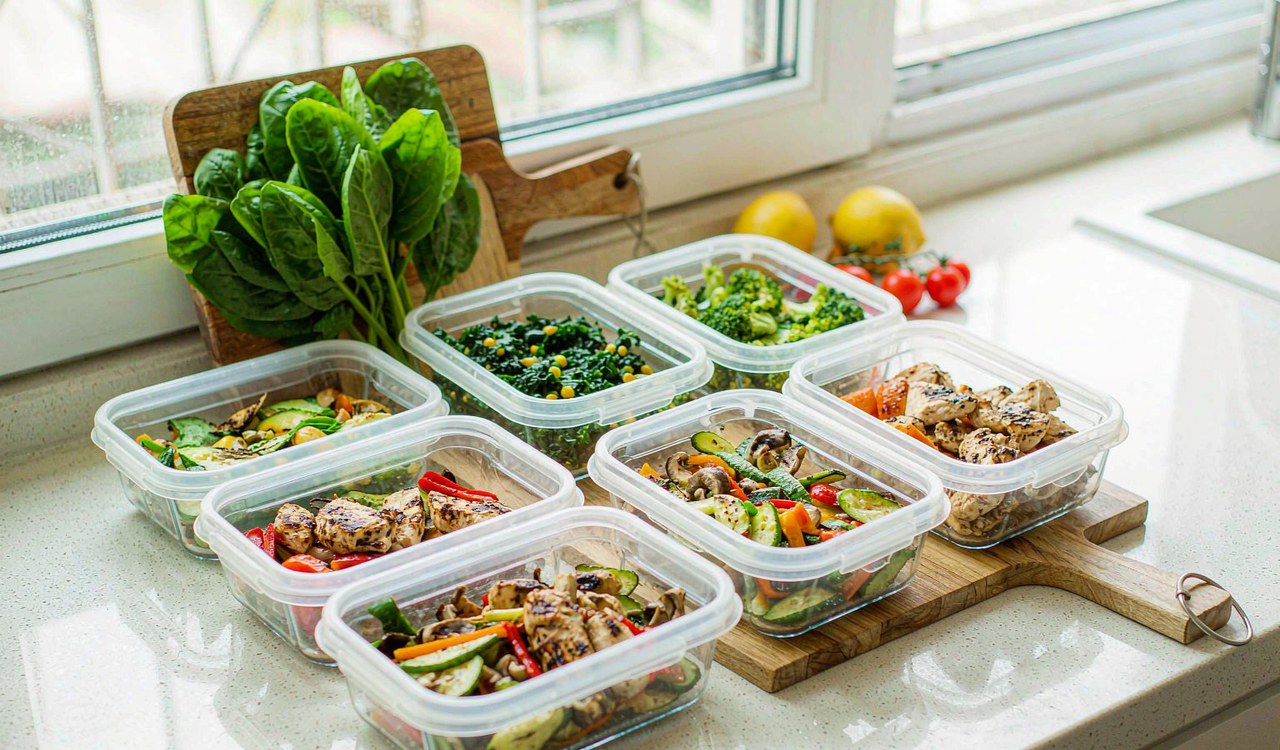
Batch cooking fails when it is overly ambitious. This beginner meal-prep plan uses one oven tray, one pot and a repeating formula — protein, two vegetables, a grain, a sauce — to fill five lunches without taking over your Sunday.
Walking is the most underrated beginner exercise there is: no equipment, low injury risk, and a 4-week structure that takes you from a casual stroll to brisk 30-minute walks without the week-one burnout that kills most plans.
There is no magic number of glasses. Here is how to set a realistic daily water target, which drinks and foods genuinely count, the two body signals worth trusting, and when your needs actually go up.
Motivation lasts about two weeks. This guide covers how to make health habits small, anchored and automatic — habit stacking, environment design, a plan for bad days — plus a 30-day starter plan you can copy.
Before blaming your bed, check the ordinary stuff: schedule drift, mild dehydration, meal timing, late caffeine, stress load. Here are eight everyday energy drains and a one-week experiment to find which ones are yours.
Consistent sleep is not about willpower — it is about the ninety minutes before bed. Here is a practical evening routine, what the research actually supports, and which popular sleep gadgets you can skip.
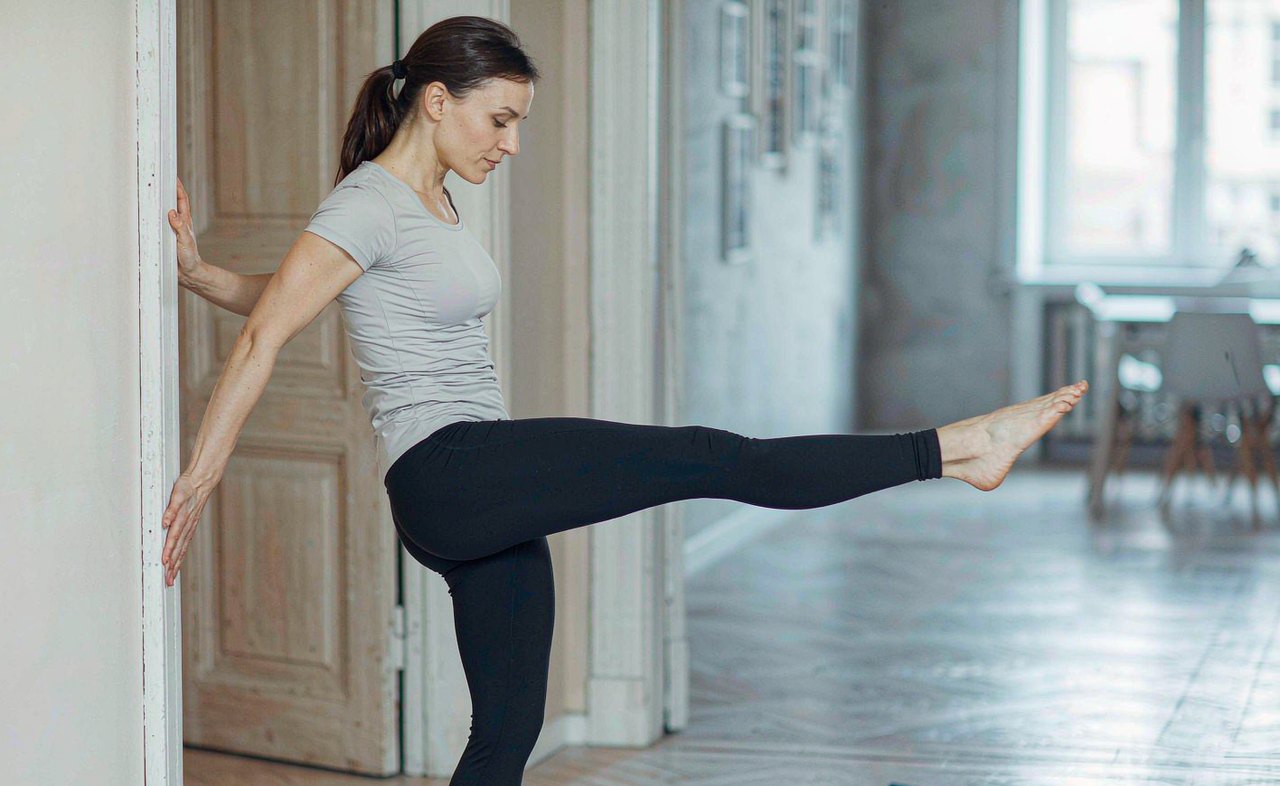
A complete beginner-friendly strength and mobility routine you can do in a living room with no equipment: how to scale every movement, why walking beats killing yourself in week one, and how to recover.
Aching back, tight neck and tired eyes by 4pm? Here is an hourly micro-break routine, a five-stretch sequence you can do at your desk, and how to set up a chair and screen properly.