Set Up Your Bedroom for Better Sleep Tonight
Light, temperature, noise, and bedding quietly decide how well you sleep. Here is how to tune each part of your bedroom — mostly for free — plus what to do when a partner, pet, or street noise complicates things.
By the Wellspring Daily editorial team · How we check our guides
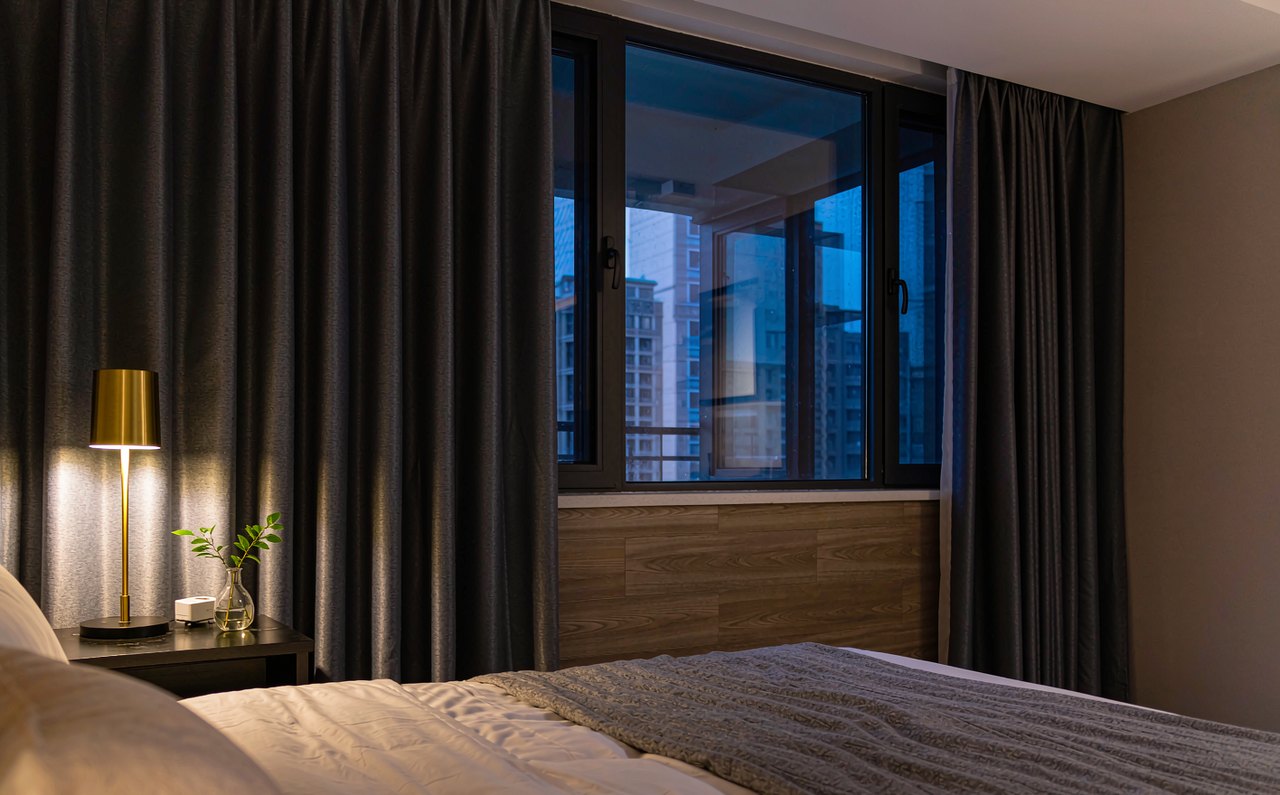
You can do everything right during the day and still sleep badly if the room itself works against you. The good news is that the bedroom is the most controllable part of sleep: light, temperature, noise, and bedding can all be adjusted tonight, usually without spending much. This guide walks through each factor, what the general research suggests, and the small changes that make the biggest difference.
Light: the strongest sleep signal you control
Your body times its sleepiness to light. Bright light in the evening pushes your internal clock later; darkness in the evening lets the natural sleep hormone melatonin rise. For most people the fix is a two-part routine:
- Dim the last hour. In the hour before bed, switch overhead lights for a lamp, ideally with a warm bulb. You do not need special "sleep lights" — just lower brightness and warmer color.
- Make the room properly dark. Streetlights, hallway glow, and standby LEDs are brighter than you think through closed eyelids. Blackout curtains or a cheap sleep mask handle most of it; a small piece of tape over a glowing charger finishes the job.
- Flip it in the morning. Bright light soon after waking anchors the same clock that darkness does at night. Open curtains immediately or step outside for a few minutes — our guide to morning light for energy and sleep covers the timing.
If you wake at night, avoid turning on bright lights; a dim night light with a warm tone is enough to navigate by and interferes less with falling back asleep, which is also the theme of our guide to falling back asleep at night.
Temperature: cooler than you probably keep it
Body temperature naturally falls as you fall asleep, and a room that is too warm fights that drop. Most people sleep best in a room that feels slightly cool — for many, somewhere in the region of 17 to 20 °C (about 63 to 68 °F). A bedroom that feels "fine" while you are awake is often a degree or two too warm once you are under the covers generating heat.
Free and cheap ways to hit the range:
- Lower the thermostat or heating schedule for the night hours; some heaters let you set a timed drop automatically.
- Ventilate the room for five minutes before bed to flush out built-up heat.
- Choose breathable bedding — cotton or linen sheets, and a duvet you can shed half of at night.
- If you run hot, a fan does double duty for temperature and white noise.
Individual comfort varies a lot, so treat the range as a starting point and adjust by how you feel, especially if you have a medical condition that affects temperature regulation.
Noise: make it steady, not silent
Sudden sounds — a door, a car, a notification — pull people out of light sleep even when they do not fully wake. Complete silence is one strategy, but it is fragile: in a very quiet room, every small sound stands out. Steady, low-level sound works better for many people because it masks the spikes:
- A fan or an air purifier already provides decent masking noise.
- White noise apps or machines produce a consistent bed of sound; keep the volume moderate.
- Earplugs are the cheapest option of all, though they take a few nights to get used to.
- Door seals and heavy curtains reduce street noise at the source.
Bedding: small changes, outsized effect
You spend a third of your life in bed, so worn-out equipment taxes every night. A few checkpoints:
- Mattress age. If your mattress sags visibly, or you sleep noticeably better on hotel beds, it may be past its best. Mattresses commonly last around seven to ten years, but comfort is the better test than the calendar.
- Pillow height. The pillow should fill the gap between head and shoulder so your neck stays in line with your spine. Side sleepers generally need a fuller pillow than back sleepers.
- Wash the covers. Fresh bedding is one of the most underrated sleep aids; dust-mite-sensitive people in particular often breathe and sleep easier with weekly hot washes.
- Reserve the bed for sleep. Working, scrolling, and watching in bed teach your brain that the bed is a place for alertness. Moving those activities elsewhere strengthens the bed-sleep association, a cornerstone of the advice in fixing your sleep schedule.
The clutter-and-calm factor
A visible pile of laundry or tomorrow's work on the nightstand keeps a low hum of mental load running. You do not need a magazine-worthy room — a quick evening reset of ten minutes, where surfaces get cleared and tomorrow's clothes get laid out, removes small reasons for your mind to keep working after lights out. Pair it with a simple wind-down rather than a screen; slow breathing exercises are a good bridge from a busy evening to a sleepy one.
Partners, pets, and shared rooms
Shared bedrooms are a negotiation. A few arrangements that keep both sleepers happy: separate blankets for people with different temperature needs, a bigger mattress if one person's movements wake the other, consistent pet rules (some owners banish pets at night, others provide a pet bed in the room), and agreeing on a shared lights-out time with individual reading lights. If snoring is loud and regular, with pauses or gasps, it is worth mentioning to a doctor — that pattern deserves an individual check rather than earplugs.
A realistic one-week plan
- Tonight: dim lights for the last hour, tape over LEDs, ventilate the room.
- This week: drop the night temperature toward 17–20 °C, add blackout or a mask, start a fan or white noise if sound is an issue.
- Next weekend: rotate the mattress, wash the covers, reassess your pillow.
Change one thing at a time so you can tell what actually helped. If you still feel unrested after a few weeks of a well-tuned room and a consistent schedule, it is worth raising with a doctor — persistent poor sleep has many causes, and a bedroom can only fix the ones it is responsible for. More sleep and recovery guides live on the blog index.
This article is general wellness information, not medical advice, and it is not a substitute for professional diagnosis or treatment. If you have a ongoing sleep problem or a health condition, consult a qualified healthcare professional.
A note on health advice
This guide shares general wellbeing information based on published guidance and personal testing. It is not medical advice. If you have a condition, are pregnant, or feel pain during any movement, check with a qualified professional before starting.