Morning Light: The Free Habit for Energy and Sleep
Ten minutes of outdoor light in the morning is the cheapest energy upgrade there is. Why it works, how to do it in real life, and what to do when mornings are dark.
By the Wellspring Daily editorial team · How we check our guides
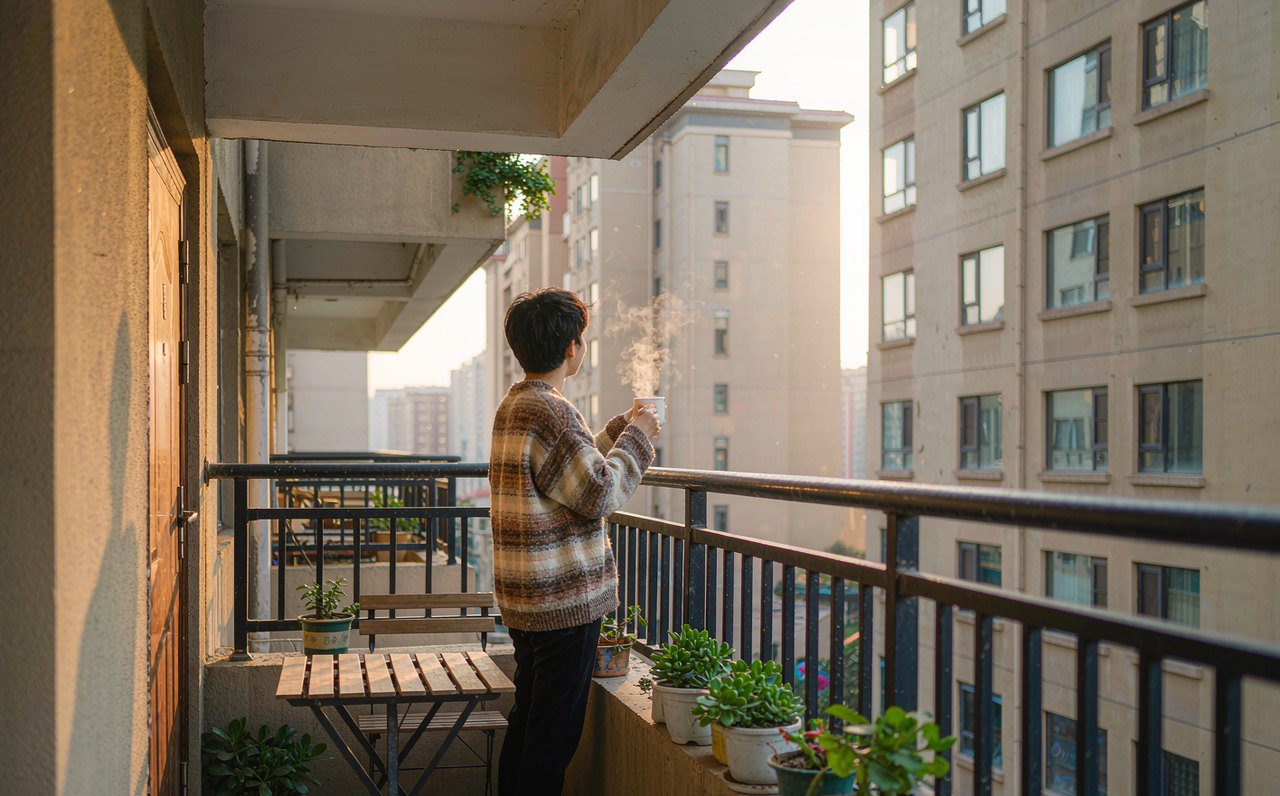
There is a habit that costs nothing, takes ten to twenty minutes, and influences both how awake you feel by mid-morning and how easily you fall asleep that night: getting outdoor light into your eyes early in the day. It sounds too simple to matter, but light is the primary signal your body clock uses to set itself — and for most people spending days indoors, the morning signal is essentially missing. Here is why it works and how to build it into a real schedule.
Your Body Clock Runs on Light
Deep in the brain sits a master clock that coordinates sleepiness, alertness, appetite, and body temperature across a roughly 24-hour cycle. It does not run perfectly on its own — it needs a daily calibration, and the strongest calibration signal by far is light reaching the eyes, particularly bright light in the first part of the day and darkness in the evening.
Morning light does two things at once. First, it tells the clock "the day has started", which advances the whole schedule — making you alert earlier in the day and sleepy earlier at night. Second, it starts a countdown: light exposure in the morning helps ensure that melatonin, the hormone that rises before sleep, comes on schedule in the evening rather than drifting later. Skimp on the morning signal and the whole rhythm slides — later alertness, later sleepiness, harder mornings, more caffeine, repeat.
Light exposure is also one of the most common levers mentioned when people trace persistent tiredness: the everyday-tiredness checklist puts it near the top alongside sleep debt for exactly this reason.
Outdoor Beats Window Beats Indoor — By a Lot
The numbers involved are bigger than most people expect. A bright overcast day outdoors still delivers light at levels many times higher than typical bright indoor lighting; a sunny morning can deliver dozens of times more. Even a well-lit office usually cannot compete with a cloudy sky. Window light helps but loses most of the intensity, and glass filters part of the spectrum your clock responds to best.
The practical translation: you do not need sunshine or blue skies. An overcast walk counts. Standing on a balcony counts. What matters is being outdoors, without sunglasses when practical and safe, and letting ordinary daylight reach your eyes. You do not need to look at the sun — looking anywhere in the bright sky does the job, and never stare directly at it.
The Minimal Routine
- Timing: aim for sometime in the first hour or two after you normally wake. Earlier is somewhat better, but consistency matters more than perfection.
- Duration: 10–20 minutes outdoors is a common target — longer if it is heavily overcast, shorter is fine on bright mornings.
- Stack it onto something you already do: drink your first coffee on the balcony or by an open window, walk part of the commute, take the dog out one extra loop, or pace during a morning phone call. Habit-stacking details are in our guide to building habits that stick.
- No sunglasses during those minutes when conditions allow — the eyes need the brightness. Regular prescription glasses are fine.
Treat it like a appointment with daylight rather than exercise: the goal is light to the eyes, not steps or sweat, though you are welcome to combine all three.
What About Dark Winter Mornings?
In deep winter or at high latitudes, the sun may rise well after you leave for work — the morning signal is simply unavailable outdoors. Realistic options:
- Take the light whenever it arrives. If the sun rises at 8:15, get outside at 8:15 rather than skipping; a slightly later signal still beats none.
- Brighten the first hour indoors: switch on the brightest lights you have right after waking, especially near a window. It is weaker than outdoors but far better than dim kitchen light.
- Light boxes: the devices used for winter blues (typically rated around 10,000 lux) are a legitimate substitute for some people — but if you suspect seasonal low mood rather than simple grogginess, discuss options with a healthcare professional before buying; product quality varies and individual situations differ.
Morning Light and Your Evening
The morning dose only works as part of a pair: strong light early, dim light late. If mornings get fixed but evenings stay bright — overhead lights, phone at full brightness in bed — the clock receives contradictory signals and the benefit shrinks. Two small evening rules protect the investment:
- Dim and warm after dinner: lamps over ceiling lights, screens night-mode on, bright kitchen lights off once dinner is done.
- Keep the same wake time most days. A consistent wake anchor — even on weekends, within about an hour — gives the light signal a stable schedule to attach to; our guide to repairing a broken sleep schedule builds the full routine around exactly this anchor, and the evening routine guide covers the wind-down side.
Common Questions
Does light through a window count? Partly — it is better than nothing and useful for a slow start, but the intensity drop is large. If a balcony, porch, or a few minutes at an open door is available, use it.
Can I combine it with exercise? Yes — an outdoor morning walk or jog covers light and movement in one slot. Just keep intense workouts in the late evening from becoming a pattern, which pushes sleepiness later.
What if I wake before sunrise by schedule? Turn on bright indoor light on waking, then take your outdoor dose after the sun comes up. Roughly-right timing applied consistently is the goal.
Any reason to be careful? If you have an eye condition or take medications that increase light sensitivity, ask your eye doctor how to handle bright-light exposure sensibly — often it only means avoiding direct glare, which this routine already does.
Start tomorrow: pick your anchor (coffee, commute, dog), give it fifteen minutes outdoors, and hold it for two weeks. Most people notice the mid-morning fog thinning first, and easier sleep onset arriving quietly a week or two later. More everyday energy and sleep fixes live on the Wellspring blog index.
A note on health advice
This guide shares general wellbeing information based on published guidance and personal testing. It is not medical advice. If you have a condition, are pregnant, or feel pain during any movement, check with a qualified professional before starting.