Healthy Snacks for Steady Energy: What to Eat Between Meals (and Why the 3pm Slump Happens)
The 3pm crash is rarely about weak willpower — it is about what you ate at noon and what you reach for at three. A simple protein-plus-fiber formula, ten practical snack ideas, and the portion sizes that keep snacks from becoming a fourth meal.
By the Wellspring Daily editorial team · How we check our guides
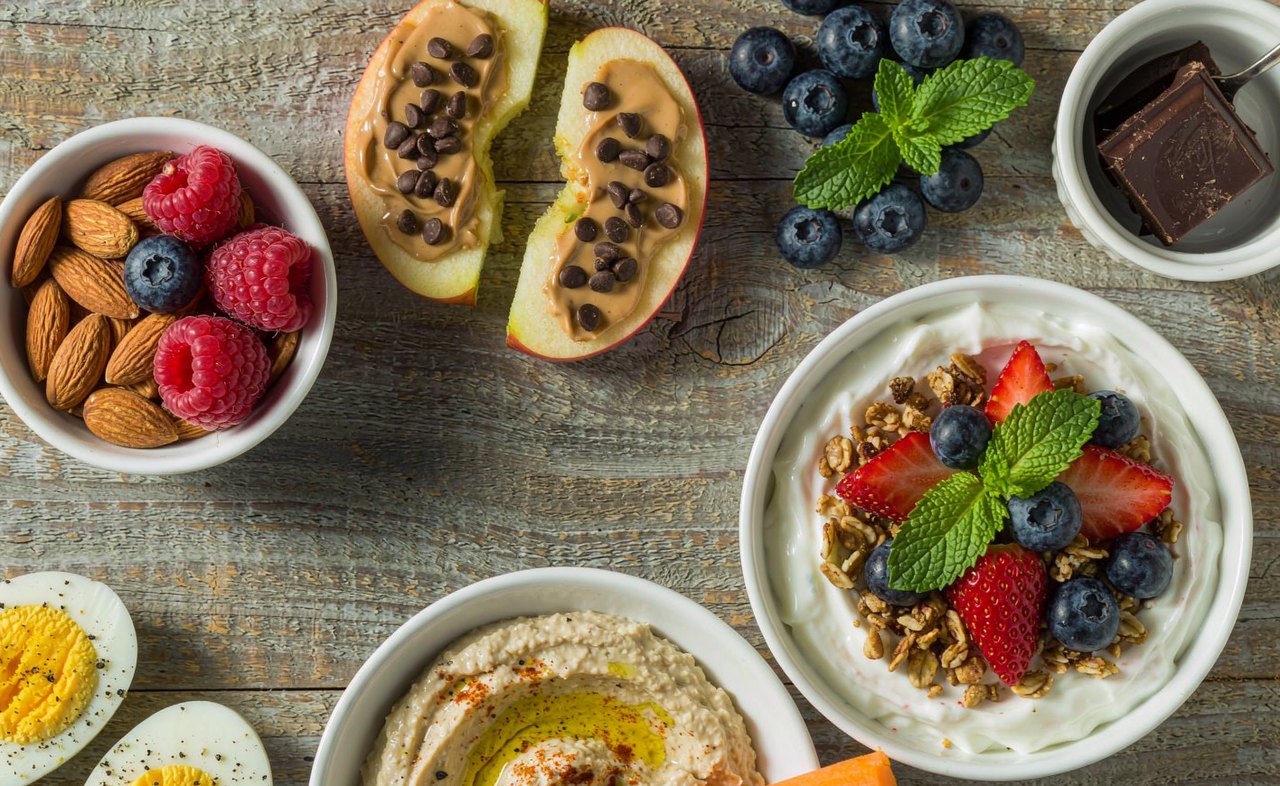
The 3pm slump has a reputation problem: people treat it as a character flaw and answer it with coffee and something sweet from the office kitchen. Two hours later comes the second crash, and the cycle repeats. In reality the afternoon dip is mostly predictable physiology — partly your body clock, which genuinely dips in the early afternoon, and partly a blood sugar rollercoaster set in motion by breakfast and lunch.
You cannot do much about the clock, but you have near-total control over the rollercoaster. This guide explains why certain snacks keep you level while others spike and dump, gives you a two-second formula for choosing any snack, and lists ten options that survive real life — desk drawers, commutes, and all.
Why some snacks drain you
Refined-carbohydrate snacks on their own — biscuits, white bread, most granola bars, sugary drinks — digest quickly. Blood sugar climbs fast, your body responds, and an hour or two later blood sugar swings low again. That swing arrives as fatigue, brain fog, irritability, and an urgent craving for more of the same. It is a loop, not a coincidence.
Snacks that combine protein, fiber, and a little fat digest slowly. Blood sugar rises gently and returns gently, so energy stays level for hours. That is the entire science of good snacking, and it gives you a test you can run on any food in two seconds: where is the protein and fiber in this? An apple alone fails the test. An apple with a small handful of nuts passes.
One more factor people misread: mild dehydration feels exactly like fatigue. Before you snack, drink a glass of water and give it ten minutes — the full reasoning is in the daily water guide. And if you are constantly exhausted rather than just afternoon-drowsy, the snack drawer is not the culprit; the constant-tiredness guide covers the bigger picture, including sleep quality.
The formula: protein + fiber, keep it small
A snack is not a meal. The working target is roughly 150 to 250 calories with at least a little protein — enough to bridge you comfortably to the next meal without blunting your appetite for it. Grazing all afternoon is the most common failure mode: five small "healthy" snacks quietly become a fourth meal, and dinner appetite, sleep quality, and the next morning's energy all drift.
Plan one deliberate snack, eat it away from your screen if possible, and let it be a break rather than fuel pumped in while typing. People who plate a snack eat noticeably less than people who eat from the bag — the bag never says stop.
Ten snacks that pass the test
- Greek yogurt with berries. High protein, minimal prep. Choose plain and add fruit yourself — many flavored yogurts carry dessert-level sugar.
- Apple or banana with peanut butter. Fiber plus protein and fat. Two tablespoons of nut butter is a serving, not half the jar.
- A small handful of mixed nuts. About 30 grams — a closed handful. Nuts are excellent and calorie-dense in equal measure.
- Hummus with carrot and cucumber sticks. Fiber, plant protein, and crunch that takes longer to eat than a biscuit — that pace is part of the benefit.
- Boiled eggs. The most portable protein there is. Boil four on Sunday; grab one any day.
- Cottage cheese or skyr with cherry tomatoes or pineapple. Another high-protein base most people forget exists.
- Wholegrain crackers with cheese or tinned fish. Slow carbs plus protein; sardines or mackerel add omega-3 fats as a bonus.
- Roasted chickpeas or edamame. Crunchy, savory, fiber-rich — the snack that replaces crisps rather than imitating them.
- Overnight oats in a small jar. Oats plus milk or yogurt plus chia seeds. Make two at dinner, eat one tomorrow; the meal prep guide shows the batch routine.
- Dark chocolate with a few almonds, when you want the chocolate. A square or two plus nuts beats a whole biscuit pack on both satisfaction and aftermath. Snacks you refuse forever get smuggled eventually.
Timing: when a snack helps and when it doesn't
If meals are balanced and more than four to five hours apart, one snack in the long gap is genuinely useful — usually mid-afternoon. If your lunch is a pastry and a latte, no 3pm snack can rescue a 12pm mistake; fix the meal first, and the snack need mostly evaporates. And within about an hour of bed, most people are better off not eating much at all — late eating has a way of showing up as restless sleep, which the evening routine guide helps with.
Make it automatic
Like every food habit, snacking improves when the good option is the easy option. Three setups that work:
- Sunday prep: boil eggs, wash and cut vegetables, portion nuts into small containers. Fifteen minutes buys you a week of grab-and-go.
- Desk drawer stock: shelf-stable backups only — nuts, roasted chickpeas, wholegrain crackers. Enough for emergencies, not enough to live on.
- The water-first rule: glass of water, ten minutes, then decide whether you still want the snack. Roughly a third of the time, you won't.
Common questions, answered honestly
Is snacking itself unhealthy? No. It depends what and how much. Planned, balanced snacks support energy and prevent the ravenous overeating that arrives with a long-gap, low-blood-sugar dinner. Unplanned grazing does the opposite.
What about "negative calorie" or "fat-burning" snack claims? Marketing. No food burns meaningful fat by being eaten. Judge snacks by the protein-plus-fiber test and the portion, not the label promise.
Are protein bars good snacks? Some are fine — read the label. Many are candy with gym branding: twenty-plus grams of sugar and fiber nowhere to be found. If the label reads like a dessert, it is one.
I crash every day at 3pm even with good snacks. Normal? A mild early-afternoon dip is part of normal human circadian rhythm — a ten-to-twenty-minute walk outside, which adds bright-light exposure, often does more than any food. A crash severe enough to derail your afternoon most days is worth mentioning to a doctor, especially if sleep is short or unrefreshing.
Who should check with a professional first
If you have diabetes or any condition affected by blood sugar, discuss snack timing and choices with your doctor or a registered dietitian before changing your routine — the guidance above is general and does not replace individual medical nutrition advice. Persistent fatigue, unexplained weight changes, or digestive symptoms also belong in a professional's office, not a blog comment section.
This article is general health information, not medical advice. It cannot account for your individual circumstances — when in doubt, consult a qualified healthcare professional before making significant changes to your diet.
A note on health advice
This guide shares general wellbeing information based on published guidance and personal testing. It is not medical advice. If you have a condition, are pregnant, or feel pain during any movement, check with a qualified professional before starting.