How to Start Walking for Exercise: a Sensible 4-Week Beginner Plan
Walking is the most underrated beginner exercise there is: no equipment, low injury risk, and a 4-week structure that takes you from a casual stroll to brisk 30-minute walks without the week-one burnout that kills most plans.
By the Wellspring Daily editorial team · How we check our guides
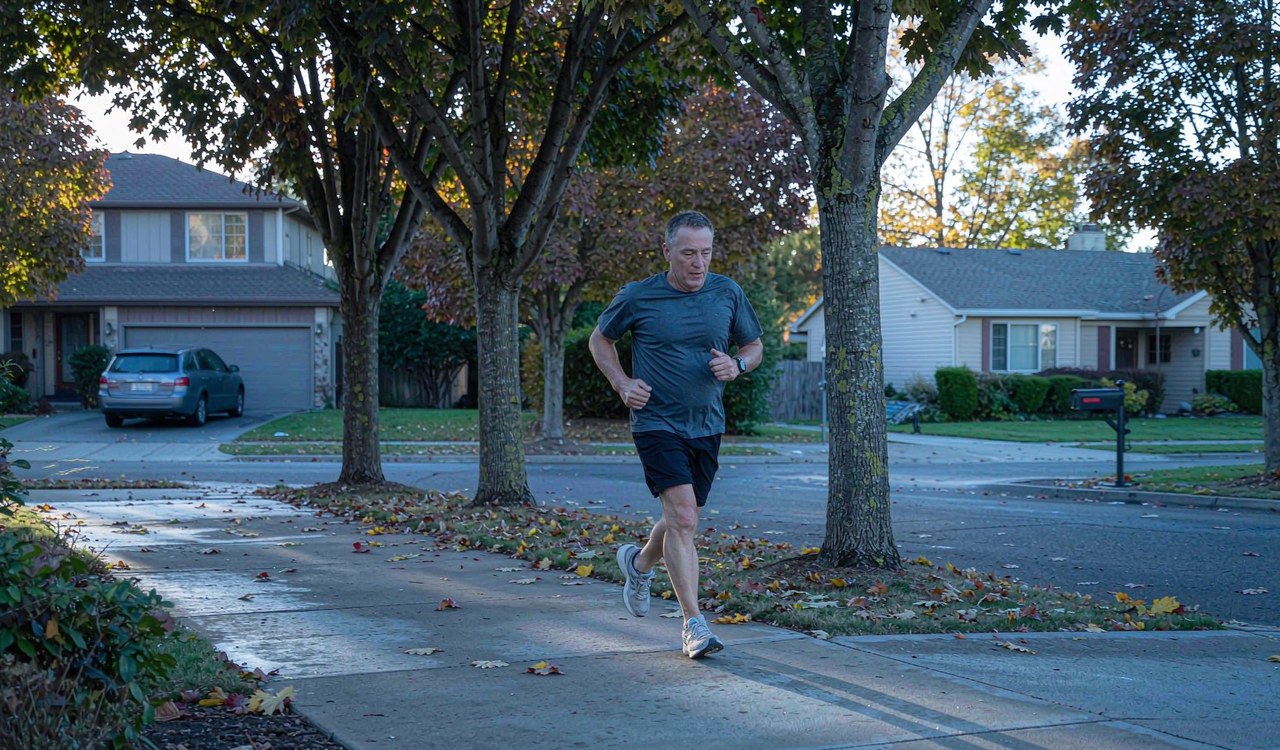
Every fitness culture has its fashion, and walking has none — which is exactly why it keeps quietly outperforming its reputation. It needs no equipment or membership, carries the lowest injury rate of any exercise worth naming, fits into the strangest schedule, and at brisk pace it delivers a genuinely meaningful cardiovascular workout. If you have tried and abandoned harder plans, the problem was the plan, not you.
Here is a four-week structure for going from "I walk to the car" to "I walk briskly for 30 minutes and it feels normal". It assumes no current exercise habit and no medical red flags; the caveats at the end matter, so read them.
First, what "brisk" means
The simplest test: you can talk in full sentences but you would rather not sing. If you can sing, speed up; if you cannot speak, ease off. That is roughly the moderate-intensity zone that public health guidelines point to — the one where most of the documented benefits of walking live. Counting steps is optional; a rough daily target like 7,000-8,000 gives many people a useful compass, but pace and consistency matter more than any number on a phone.
Week 1: build the slot, not the speed
Walk 10 minutes at an easy, conversational pace, once a day if you can, at least 4 days this week. The only goal is making the slot exist: same rough time each day, shoes by the door, route decided in advance. Decision-making is where beginners quietly fail, so remove as many decisions as possible now. If 10 minutes feels trivially easy, that is correct — week one is a scheduling exercise wearing a workout costume.
Week 2: stretch the distance
Four to five walks this week: 15 minutes each, still easy pace. Add one longer weekend walk of 20-25 minutes somewhere pleasant — a park, a river path, a loop of your neighbourhood you have not done. Pleasurable routes are a retention strategy, not a bonus. If your legs feel heavy or a foot aches, take an extra rest day; niggles in week two are usually the body's bid for a slower ramp, not a reason to quit.
Week 3: introduce brisk intervals
This is the week the fitness actually starts. Four to five walks of 20 minutes structured like this:
- 5 minutes easy warm-up pace
- Then alternate: 2 minutes brisk (talk-but-don't-sing effort) with 2 minutes easy, repeated 3-4 times
- 3-5 minutes easy to finish
Posture checklist while brisk: look ahead rather than down, shoulders back and relaxed, arms swinging from the shoulder with a loose 90-degree bend, and a natural heel-to-toe roll. You will go faster with a deliberate arm swing than with any change to your stride length — overstriding is the classic beginner inefficiency.
Week 4: consolidate into the habit
Aim for 30 continuous minutes at mostly-brisk effort, three to four times, plus whatever easy walking else you fancy. If 30 minutes is too big a jump from where week three left you, do 25 and call it done — the plan still worked. From here the maintenance formula is roughly 150 minutes of brisk walking a week, which happens to match mainstream public health guidance for adults, and can be split any way your life allows.
Once 30 minutes feels routine, walking becomes the base layer you can add to: the 20-minute home strength routine twice a week is the natural next step, and pairing morning walks with the light habits in the low-energy guide does remarkable things for the 3pm slump.
Details that make it stick
- Weather-proof one outfit. A light rain layer and shoes that have survived actual rain turn "bad weather" from a plan-killer into a non-event.
- Attach it to an existing anchor. After the morning coffee, after dropping the kids, straight after work — habits that hang off existing routines survive; habits that need a fresh decision daily do not, as the habit guide explains in detail.
- Track lightly. A calendar with a tick per walk beats any app dashboard. The visible unbroken chain is the reward loop.
- Hydrate like it matters. For 30-minute walks in ordinary weather, a glass of water before and after is plenty — the full picture is in the daily water guide.
Making walks less boring (the real reason plans fail)
The plan above fails for most people not on physiology but on tedium — week three arrives and brisk walking around the same four blocks starts to feel like a chore with a fitness tax attached. Build the entertainment layer deliberately. Podcasts and audiobooks are the obvious answer and a good one, but save audio you genuinely look forward to for walks only; Pavlovian conditioning works in your favour here. Route variety matters just as much: keep three routes of different lengths mapped from your door, and let your energy level pick between them. Walking with company — a colleague at lunch, a family member after dinner — converts the walk into a social appointment, which is the single most reliable adherence trick in exercise science. And if you enjoy numbers, chasing a modest weekly total (say, 90 minutes in week two, 150 by week five) gives the calendar-ticking instinct something to chew on.
Common questions, answered honestly
Treadmill or outdoors? Both count identically for fitness. Outdoors adds terrain, weather and light — which most people find better for mood — while the treadmill adds convenience and a pace that never quietly slows. Pick whichever you will actually use; the home workout guide operates on the same principle.
Morning or evening walks? The time of day matters far less than the anchor it attaches to. Morning walks double as the bright-light exposure that anchors your body clock (useful for sleep, as the sleep guide covers), evening walks double as a decompression ritual. Choose by schedule, not by myth.
Should I walk fasted, or track 10,000 steps? Neither matters as much as folklore suggests. Fasted walking is not meaningfully superior for general health purposes; 10,000 was a marketing number with no clinical origin, though any step target that motivates you is fine. Minutes at brisk effort is the cleaner metric for a beginner.
Hills? Absolutely — from week four onward, a route with one decent incline does for walking what a heavier dumbbell does for lifting: same movement, higher demand, no extra time. Expect your breathing to move up a zone on the climb; that is the point.
Who should check with a professional first
Walking is about as safe as exercise gets, but a few situations deserve a conversation with a doctor before you ramp up: chest pain or dizziness during exertion, a heart condition or recent cardiac event, severe joint problems that walking aggravates, unmanaged diabetes, late pregnancy, or being told recently by a clinician to clear new exercise first. If sharp or persistent pain shows up in a specific joint, that is a stop-and-assess signal, not a push-through one.
This article is general health information, not medical advice. It cannot account for your individual circumstances — when in doubt, or if you have any of the conditions above, consult a qualified healthcare professional before starting a new exercise program.
A note on health advice
This guide shares general wellbeing information based on published guidance and personal testing. It is not medical advice. If you have a condition, are pregnant, or feel pain during any movement, check with a qualified professional before starting.