How to Read a Nutrition Label Without a Nutrition Degree
Nutrition panels are built for legal compliance, not quick decisions. Here is a 60-second method: serving sizes first, then protein, fiber and added sugars, then the ingredient list — and which front-of-pack claims to ignore.
By the Wellspring Daily editorial team · How we check our guides
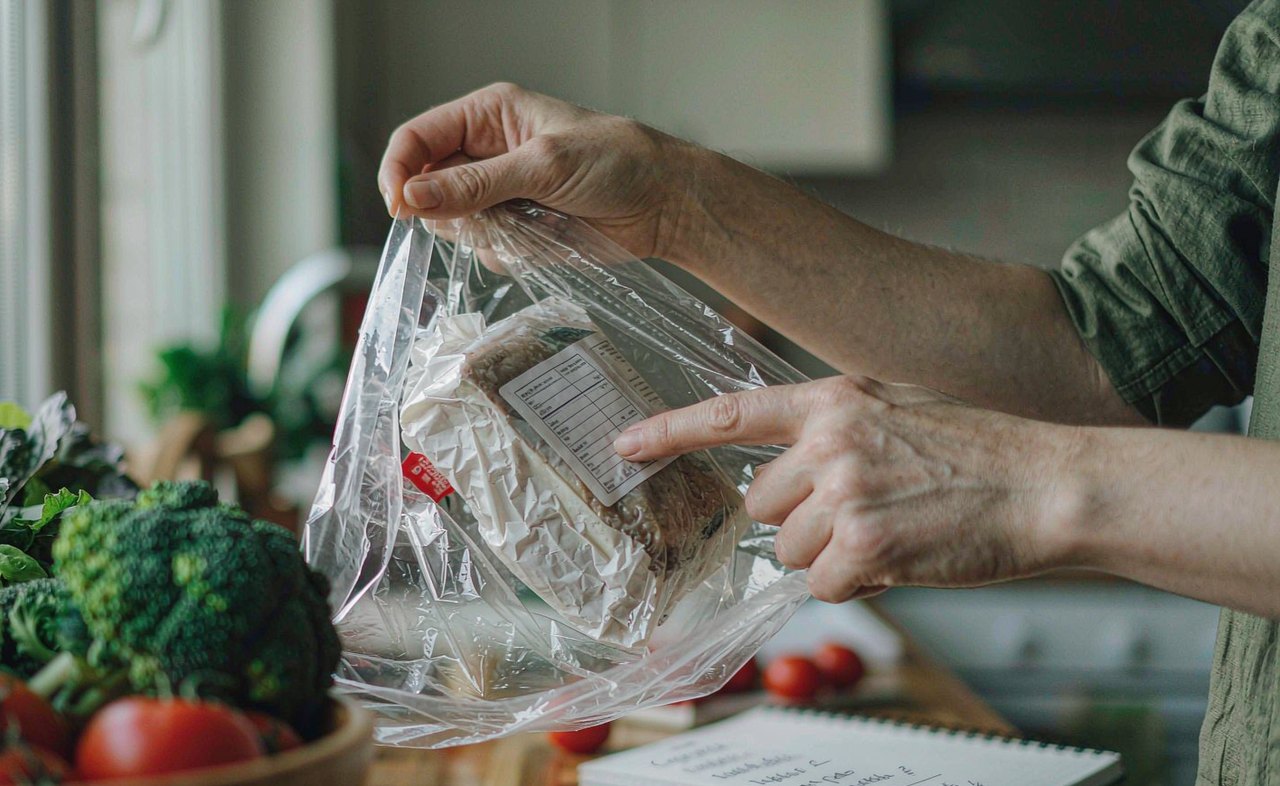
Stand in a supermarket aisle and pick up any package: the back carries a dense table of numbers, the front carries confident promises, and the two often disagree. Nutrition labels were not designed to help you shop in ten seconds — they were designed to satisfy regulations. Once you know the few things worth checking, though, you can evaluate almost any package in about a minute.
This guide walks through that method in the order experienced shoppers actually use it. It is general education, not a diet prescription — and it applies whether you are comparing two breakfast cereals or deciding whether the "healthy" crackers are telling you the truth. If you want the context for why snacks and packaged foods matter so much, start with the guide to steady-energy snacks.
Step 1: read the serving size first, always
Every number on the label is scaled to the serving size, and the serving size is chosen by the manufacturer. A bag that looks like one portion may be listed as two or three, which halves or thirds every number you are about to read. A small bottle of juice can quietly contain "1.5 servings".
So the first reflex is mechanical: glance at the serving size, glance at how much of the package a normal person would actually eat, and mentally rescale. Some labels also show a "per package" or "per 100 grams" column — when comparing two products, compare them on the same basis, per 100 grams or per 100 calories, not per their own arbitrary servings.
Step 2: the three numbers worth checking first
Most of the panel is context. Three entries carry most of the decision weight for everyday eating:
- Protein. Protein is the nutrient that makes food filling and supports muscle maintenance. As a rough scan, a snack with little or no protein will keep you hungry for an hour; single-digit grams are a light contribution, while anything in the teens per serving is doing real work.
- Fiber. Fiber signals that a grain or plant product is closer to its original form. Most adults fall short of commonly recommended intakes (public-health guidelines generally point to somewhere in the mid-twenties of grams per day or more, varying by age and sex), so a product that meaningfully contributes — several grams per serving — is usually a better-built carbohydrate.
- Added sugars. Distinguish this from "total sugars": naturally occurring sugar in milk or fruit comes packaged with other nutrients, while added sugar is the one most dietary guidelines advise keeping well down. Many products that read as wholesome carry a surprising amount of it.
The protein-plus-fiber scan is deliberately simple: foods strong in both tend to be the ones that satisfy. It is the same logic behind the snack guide on this site, and it beats memorizing any number of individual nutrient targets.
Step 3: sodium and the fat lines, in context
Sodium deserves a quick check because most people already get plenty from everyday foods, and packaged and processed items are where the excess hides — breads, sauces, soups, deli meats, and savory snacks contribute far more than the salt shaker. If a single serving delivers a large fraction of the day, you have learned something useful; if your overall pattern is mostly home cooking, one moderate item is not a crisis.
On fats: total fat is not the villain older diet culture made it, but the type matters. A product where saturated fat dominates the fat line is generally worth comparing against alternatives, while items rich in unsaturated fats — nuts, olive-oil-based products, fish — fit a broadly recommended pattern. Trans fat appearing on the panel is a straightforward walk-away; "partially hydrogenated oil" in the ingredients confirms it.
Step 4: the ingredient list is where honesty lives
The nutrition panel tells you quantities; the ingredient list tells you what the product actually is. Two rules unlock most of it:
- Order is by weight. Ingredients are listed from most to least. If some form of sugar sits in the first three, the product is sweet whether or not the marketing admits it.
- Sugar has many names. Sucrose, dextrose, glucose syrup, corn syrup, honey, fruit juice concentrate, maltose — different costumes, same role. Several of them scattered down the list can add up to more sugar than a single obvious "sugar" entry would suggest.
A generally useful heuristic: short ingredient lists of things you recognize tend to correspond with foods closer to their original form. A long list is not automatically bad — but it is a signal to slow down and actually read.
Step 5: discount the front of the package
Front-of-pack claims are marketing filtered through regulation, not information. "Natural" has no strict legal meaning in most food contexts. "Multigrain" means several grains were present, not that they were whole. "Low-fat" products often compensate with added sugar. "No added sugar" can still be a sweet product — fruit juice concentrate is still added sugar under most definitions. "High protein" on a cereal bar can mean "less bad than our normal bar".
None of this means the front of the package is always lying. It means the front is an advertisement, and the back is the documentation. Read the documentation; the meal prep guide is one practical way to need fewer labels in the first place, since home cooking puts you behind the counter instead of in front of it.
A 60-second routine you can actually keep
- Check the serving size against what you would really eat.
- Scan protein and fiber — the satisfaction pair.
- Scan added sugars and sodium — the quiet pair.
- Glance at the first three ingredients and hunt for sugar aliases.
- Compare candidates on the same per-100g basis and pick.
Done a few times, this becomes pattern recognition: you will learn the handful of products in your regular shop that pass, and stop re-reading them weekly. That is the goal — not studying every package forever, but building a short list of defaults that make the good choice automatic, the same way the habit guide approaches everything else on this site.
What the label cannot tell you
A panel says nothing about your overall pattern. A modestly labeled yogurt inside a week of balanced meals is irrelevant; a pristine label eaten in quantities that double the serving is not. Whole foods — vegetables, fruit, eggs, plain grains, fish — have short or no labels at all, and a cart tilted toward them makes any single package matter less. Drinking enough water alongside all of it is the simplest companion habit; the practical guide to daily water intake covers that in detail.
When to get advice tailored to you
General label literacy suits most people. But if you manage diabetes, kidney disease, high blood pressure, food allergies, or follow a medically guided diet, the numbers that matter on a panel — and the thresholds for them — are specific to you. A doctor or registered dietitian can translate the general rules above into personal targets in a single appointment, and that conversation is worth far more than any article.
This article is general health information, not medical advice. It cannot account for your individual circumstances — when in doubt, consult a qualified healthcare professional or registered dietitian before making significant changes to your diet.
A note on health advice
This guide shares general wellbeing information based on published guidance and personal testing. It is not medical advice. If you have a condition, are pregnant, or feel pain during any movement, check with a qualified professional before starting.