Daily Step Counts: What Number Actually Matters
Ten thousand was a 1965 pedometer slogan, not a research finding. Here is what the cohort data actually shows, how to find your real baseline, and why adding 500 steps at a time beats any ambitious target.
By the Wellspring Daily editorial team · How we check our guides
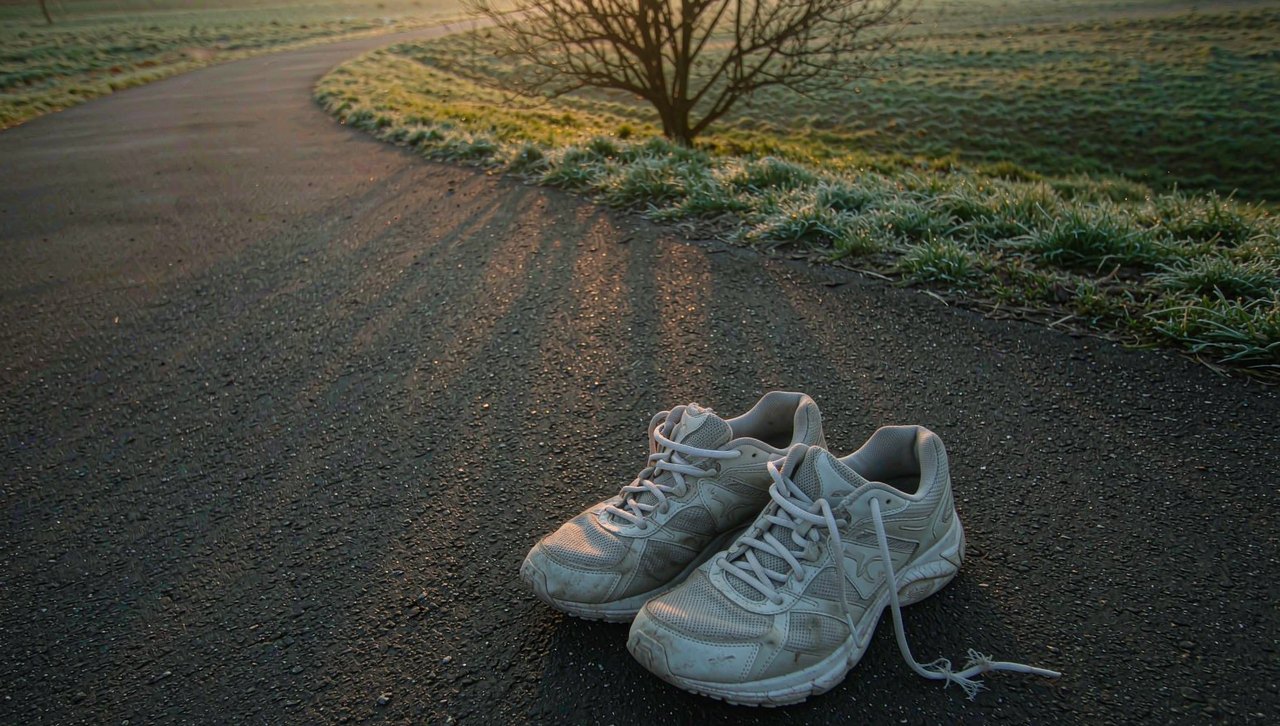
Ten thousand steps is the most repeated number in fitness, and almost nobody who repeats it knows where it came from. It was not derived from a study of how much walking keeps people healthy. It came from a 1965 Japanese pedometer sold under a name that translated roughly to "10,000-step meter," chosen because the number sounded ambitious and the device was cheap. Sixty years later it is still the default target on every phone and watch, and it is close enough to useful that it has survived - but the research since then has been much more specific about how many steps actually matter, and for whom.
This is a practical guide to the numbers behind step counts: what the cohort data shows, how to find your own baseline, and how to add steps in a way that survives a normal week rather than a motivated weekend.
Where the 10,000 figure came from
The number originated as marketing, not physiology. That does not make it wrong - it makes it arbitrary, and arbitrary targets have a specific failure mode: people who cannot reach them conclude the whole exercise is pointless, while people who reach them easily conclude they are done. Both reactions miss the actual finding, which is that the biggest health gains from walking happen at the low end of the range, between a sedentary day and a moderately active one.
The average adult in high-income countries takes somewhere around 4,000 to 6,000 steps on a normal day, with wide variation by occupation and city. If you are in that band, the move from 4,000 to 7,000 steps is worth considerably more than the move from 10,000 to 13,000. That asymmetry is the single most useful thing to understand before picking a target.
What the cohort data actually shows
The clearest picture comes from a 2022 meta-analysis that pooled 15 cohort studies and roughly 47,000 adults, tracking step counts against all-cause mortality over about seven years. The shape of the curve was consistent: risk fell steeply as steps rose from the lowest category, then flattened out. The flattening point differed by age, and that difference is large enough to plan around.
| Age group | Where benefits levelled off | What that looks like in time |
|---|---|---|
| 60 and over | about 6,000 - 8,000 steps/day | 50 - 70 minutes of walking at an easy pace |
| Under 60 | about 8,000 - 10,000 steps/day | 70 - 90 minutes total, usually spread across the day |
"Levelled off" does not mean "no further benefit" - it means the gain per thousand extra steps shrinks until other factors (sleep, strength, diet) dominate. And these are observational cohorts: people who walk more differ in other ways too, so read the numbers as a strong association rather than a guaranteed dose.
A separate line of research explains why walking punches above its apparent intensity. Studies using wrist accelerometers have found that very short bursts of vigorous movement during ordinary daily life - climbing stairs quickly, walking uphill with groceries, hurrying for a bus - are associated with meaningfully lower mortality in people who do no formal exercise at all. Three or four minutes a day of that kind of effort showed associations in the range of 30 to 40 percent lower all-cause mortality in one large 2022 analysis of UK Biobank data. Treat the exact percentage as an estimate, not a prescription, but the practical implication is solid: how hard you walk some of the time matters, not just how far.
Find your real baseline before choosing a target
Most people have no idea what they actually average. They know what a single busy Saturday looked like and they know what a sick Tuesday looked like, and neither is a baseline. Your phone already has the data - Health on iPhone, Health Connect or Samsung Health on Android - and it usually goes back months.
The number you want is the seven-day average, not any single day. Open the steps view, switch to weekly, and read the average for the last four weeks. If the four weeks agree within about 1,000 steps of each other, that is a real baseline. If they swing by 4,000, your week has no routine in it yet and any target will be fiction.
One check before you trust the number: compare a day you spent almost entirely at a desk against the recorded total. Some Android phones register phantom steps from vibration, and a 2,000-step reading on a desk day will make every later comparison meaningless.
Add 500 at a time, not 5,000
The failure pattern with step goals is almost always the same: a person at 4,000 decides on 10,000, hits it for four days through sheer willpower, then returns to 4,000 and concludes they failed. The goal was never the problem; the size of the jump was.
A more durable progression is 500 steps per week on top of your baseline, held for two weeks before the next increase. From a 5,000 baseline that is 5,500 for two weeks, then 6,000, then 6,500. It sounds slow, and it is - but six weeks in, that path has you at 8,000 with no heroic days, and 8,000 is above the plateau for the over-60 group. Five hundred steps is about four minutes of walking. It is small enough that a wet Wednesday does not break it.
Two structural changes make the additions almost free, because they attach to things you already do:
- Post-meal walks. Ten to fifteen minutes after your largest meal adds roughly 1,000 to 1,500 steps and gives you a fixed trigger, which is what most step goals lack. Three of those a week is a bigger change than it sounds.
- One deliberate walk. A single 20-minute walk covers about 2,000 to 2,500 steps at a normal pace. Scheduling it as an appointment rather than hoping it happens is the difference between a plan and an intention.
What counts, and what quietly does not
Step counters reward movement, not effort, and the gap between the two is where people get frustrated.
Pace matters more than the total. Roughly 100 steps per minute corresponds to moderate intensity for most adults - the point where you can talk but not sing. A thousand steps at that cadence does more for your heart than three thousand shuffling around a kitchen. If you want a single cadence target, 100 per minute for ten continuous minutes is a reasonable benchmark.
Wrist wearables undercount pushing. If you spend a shift pushing a cart, a trolley, or a stroller, a wrist-worn tracker will miss a meaningful fraction of your steps because your arm is not swinging. A phone in a pocket does better in that situation, and neither is accurate. Do not compare your numbers with a colleague's unless you are both using the same device in the same place.
Incline is nearly free extra work. The same route with a hill in it raises the cardiovascular cost substantially for the same step count. If two routes are the same length, the one with the hill is the better use of the time.
Better numbers to watch than a daily total
A single day's step count is a noisy measurement - it depends on errands, weather, and whether you left your phone at your desk. Four metrics are more informative and just as easy to check:
- Seven-day average. The only number that reflects a habit rather than an event.
- Days above your floor. Pick a minimum you can hit on a bad day - often 60 to 70 percent of your target - and count how many days a week you clear it. Five out of seven is a stable habit.
- Longest continuous walking block. Ten uninterrupted minutes at a moderate pace is a different stimulus from the same steps scattered in 30-second pieces.
- Weekly total. Useful for planning, because it lets a quiet Monday be compensated on a sunny Saturday without any guilt.
When more steps is not the answer
Walking more is one of the safest interventions available, but it is not immune to overuse. Three signals are worth acting on rather than pushing through.
New joint pain that appears during or just after walking, and does not settle within a day or two, usually means the increase was too fast for the tissue rather than that walking is bad for you. Drop back to the previous week's level for ten days before trying again. Pain that wakes you at night, swelling that persists, or a joint that gives way is a reason to see a clinician rather than adjust a target.
Persistent fatigue that does not improve with a rest day, resting heart rate drifting up by five or more beats per minute for several days, or a step total that keeps falling despite intention are signs of accumulated load - from training, from poor sleep, from illness, or from stress. In that situation the correct move is fewer steps for a week, not more discipline.
And if your goal is strength, bone density, or blood sugar control, steps are only part of the picture. Walking is aerobic and low-load; it does not substitute for resistance training, and it does not fully replace the post-meal glucose effect of a short walk taken immediately after eating rather than an hour later. If those are your priorities, the walking plan should sit alongside a strength routine rather than replace it.
A four-week starting plan
| Week | Daily target | What you are actually doing |
|---|---|---|
| 1 | baseline + 500 | One 10-minute post-dinner walk, four days |
| 2 | baseline + 500 | Same walk, plus one 20-minute walk on the weekend |
| 3 | baseline + 1,000 | Walk after two meals on three days; keep the weekend walk |
| 4 | baseline + 1,500 | Add a hill or a faster 10-minute block twice this week |
At the end of four weeks you will have added around 1,500 steps to your normal day, permanently, without a single day that required motivation you do not have. Keep extending at 500 per week and you will pass the plateau for your age group within two to three months - while your routine stayed boring, which is the only kind that lasts.
For the recovery side of this - what to do when a new walking habit leaves you stiff rather than energised - our guide to muscle soreness and recovery covers the difference between normal adaptation and a warning sign. If your step goal is part of a broader attempt to move more during a desk-based day, the breaks for desk workers piece has a schedule that fits around meetings. And if you are building the habit from scratch rather than extending it, starting to walk for exercise covers shoes, routes, and the first two weeks in more detail.
This article is for general information only and is not medical advice. It does not diagnose, treat, or replace professional care. If you have a heart condition, joint problems, or any health concern that affects how much you can walk, talk to a qualified clinician before increasing your activity.
A note on health advice
This guide shares general wellbeing information based on published guidance and personal testing. It is not medical advice. If you have a condition, are pregnant, or feel pain during any movement, check with a qualified professional before starting.