Shift Work Sleep: A Schedule That Holds
Anchor sleep, timed light, and a caffeine cut-off counted backwards from bedtime do more for night-shift sleep than any perfect routine. A pattern-by-pattern plan.
By the Wellspring Daily editorial team · How we check our guides
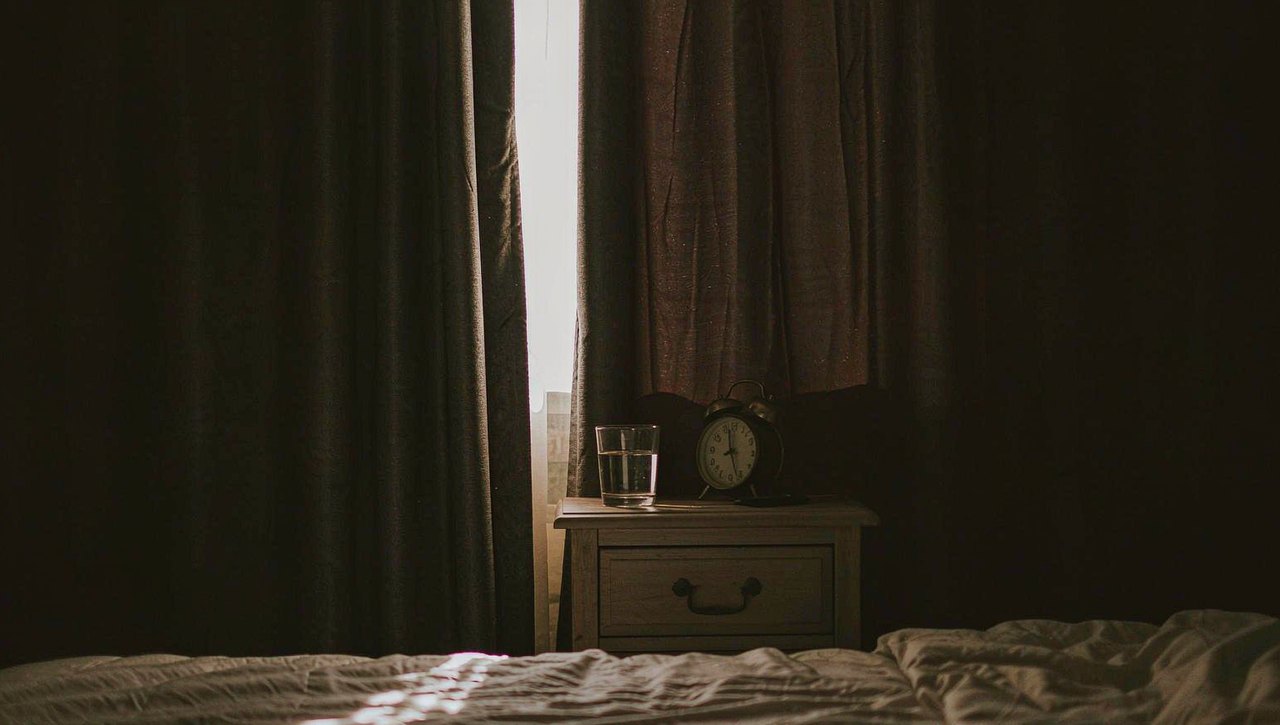
Shift work asks the body to do something it was not built for: sleep when the light says wake, stay sharp when the internal clock says sleep. The advice that works for a nine-to-five life - same bedtime every night, no screens after ten, eight uninterrupted hours - collapses the moment your schedule rotates. What replaces it is a set of decisions about where to put the one sleep block you protect, how to use light, and how much to compromise on the rest.
The ideas below come from the standard sleep-medicine playbook for shift workers: anchor sleep, timed light exposure, caffeine cut-offs calculated backwards from sleep rather than forwards from waking, and short naps placed where they pay off. None of it requires a perfect schedule. All of it requires choosing one strategy per shift pattern instead of improvising every week.
Why Shift Sleep Fails in a Predictable Way
Two systems decide when you feel sleepy. The circadian rhythm, a roughly 24-hour internal clock, is set mostly by light and does not flip overnight - after a run of night shifts it typically shifts only one to two hours per day, and often less. Sleep pressure, the second system, builds the longer you stay awake and is cleared during sleep. On a night shift you are fighting both: the clock is still saying "daytime" while pressure says "you have been up for eighteen hours".
That mismatch explains the familiar pattern of sleeping four hours after a night shift, waking at noon, and feeling wrecked by the second night. It also explains why the useful interventions are the ones that move the clock and manage pressure - light, timing, caffeine, naps - rather than the ones that only improve comfort, such as a better mattress.
Pick a Strategy for Your Actual Pattern
Rotating schedules need different tactics from permanent nights. Find your pattern in the table before reading further; the rest of the article assumes the strategy in the third column.
| Pattern | Main problem | Strategy that pays off |
|---|---|---|
| Permanent nights (same hours all week) | Clock never fully flips, daytime noise | Full circadian shift: fixed 7-8 hour daytime sleep, bright light at the start of the shift, sunglasses on the commute home |
| Forward rotation (days, then evenings, then nights) | Each change costs a day of recovery | Anchor sleep plus light exposure pushed later before the night block; keep the transition short |
| Backward rotation (nights, then evenings, then days) | Clock must jump forward, which is hard | Treat the night block as a one-off: anchor sleep, no attempt to fully flip, aggressive recovery day after |
| Two or three nights in a row, then days off | Recovery steals the first day off | Sleep 4-5 hours after the last shift, nap in the afternoon, then return to a normal night on day two |
| Early starts (04:00-06:00) | Waking during the circadian low | Earlier, longer sleep window; light immediately on waking; bedtime moved back in 20-minute steps |
Anchor Sleep: The One Block You Do Not Move
Anchor sleep means keeping a four-hour block at the same clock time every day, whatever shift you are on, and adding a second block when the schedule allows. If your anchor is 09:00 to 13:00, you protect those hours after a night shift, and on a day off you still sleep from 09:00 - not until 15:00. The fixed block gives the circadian system a stable reference point, which is why people on rotating shifts often feel better with anchored four-plus-four sleep than with a single longer block that moves daily.
Placing the anchor takes one decision: put it immediately after the shift that ends in the morning, because that is when sleep pressure is highest and falling asleep is easiest. The second block goes before the next shift, usually a two to three hour sleep in the late afternoon or early evening. Keep it short - four hours or more in the evening makes the anchor block much harder to fall into.
The trade-off is social: anchored sleep means declining some daytime invitations during a night run. Treat that as the cost of the schedule rather than a failure of discipline.
Light Is the Strongest Lever You Have
If you change one thing, change light. Bright light at the start of a shift pushes the clock later - exactly what a night worker wants - and light on the commute home pushes it earlier, which is exactly what you do not want. Practical version:
- First two hours of the shift: get as much bright light as the workplace allows. Break rooms are usually dim; a 20 to 30 minute session under a 10,000-lux light box, or a bright walk outside before midnight, is enough to matter. Ordinary office lighting at 300 to 500 lux is far too weak to shift a clock.
- Commute home: wrap-around sunglasses, not fashion frames. They cut the morning light that would otherwise tell your brain it is daytime. This single habit is the difference between falling asleep at 09:30 and lying awake until 11:00.
- Sleep environment: blackout curtains plus a folded towel over the top edge, or a sleep mask. Even a strip of daylight across the pillow measurably reduces sleep depth.
- Last two hours before sleep: dim everything. Phone at minimum brightness, no bright kitchen lighting, no vigorous chores. Light intensity in this window is what determines how fast you fall asleep.
Caffeine: Count Backwards From Sleep, Not Forwards From Waking
Caffeine has a half-life of roughly five hours in most adults, meaning a 200 mg dose - about two cups of filter coffee - leaves around 100 mg in your system five hours later and 50 mg after ten. The useful rule for shift workers is a cut-off six hours before the sleep block, not a limit on total cups. On a night shift that ends at 07:00, the last coffee belongs before 01:00 if you intend to sleep at 08:00.
The mistake is treating the end of the shift as the time you need caffeine most. The last two hours of a night shift are usually the hardest, which is precisely when a coffee does the most damage to the sleep that follows. A short nap or a walk in cool air handles that window without the six-hour tail.
Two exceptions worth knowing: people who metabolise caffeine slowly - often detectable by how much a single afternoon coffee disturbs their sleep - should extend the cut-off to eight hours, and anyone with reflux or an irregular heartbeat should discuss caffeine timing with a clinician rather than tune it by trial and error.
Naps: Short, Early, and Planned
Two naps do most of the work for shift workers. The first is a 90-minute nap in the late afternoon before a night shift, timed to include a full sleep cycle so you wake feeling restored rather than groggy. The second is a 15 to 20 minute nap on a break during the shift, which lifts alertness for two to three hours without producing the heaviness that follows a longer one.
Keep the break nap under 25 minutes and set two alarms. Sleeping 45 minutes on a break drops you into deep sleep, and waking from it mid-cycle produces ten to twenty minutes of impaired performance - a real risk if you drive home afterwards. If you cannot nap at work, a quiet sit in a dim room with eyes closed still reduces subjective sleepiness, even without sleep.
The Hours Around Sleep Decide the Quality
The last ninety minutes before bed are a wind-down, not a to-do list. A warm shower helps because the subsequent drop in skin temperature is a sleep signal; a heavy meal within two hours of sleep tends to fragment the first half of the night; alcohol shortens the time to fall asleep and then wrecks the second half. If you eat during a night shift, keep the main meal before midnight and a lighter snack around 04:00 - digestion is slowest at that hour and large meals sit heavily.
Household noise is the practical blocker most guides skip. Earplugs plus a fan or white-noise track mask conversation and door slams; a note on the door and a phone set to Do Not Disturb with favourites allowed through handles the rest. If deliveries are a recurring problem, a sign at the door and a delivery locker do more than any supplement.
Recovery Days: Do Not Sleep for Twelve Hours
After the last night shift, the instinct is to sleep as long as possible. Sleeping ten or twelve hours feels earned and leaves you more sluggish, because it disrupts the next night's sleep and delays the return to a normal schedule. The better pattern is a four to five hour sleep right after the final shift, an afternoon nap of 60 to 90 minutes, then a normal bedtime. Most people are back on a day schedule within two days using this approach, versus three or four after a marathon sleep.
If you have three or more days off, use the first one for recovery and the second for light exposure in the morning - a walk outside before 10:00 is the simplest way to pull the clock forward.
Tracking, and When to Get Help
Keep a two-week log with three fields per day: when you went to bed, when you got up, and a one-to-ten rating of how you felt two hours into the shift. Patterns show up fast - most people discover that the second night of a run is their worst, or that a specific anchor time works better than the one they assumed. Change one variable at a time, or you will not know which one helped.
Some problems need a clinician rather than a schedule tweak. See a doctor if insomnia persists for more than three months on most nights, if a partner reports loud snoring or pauses in breathing, if you fall asleep while driving or during quiet tasks at work, or if you do safety-critical work and feel sleepy on shift despite the measures above. Shift work sleep disorder is a recognised condition, and treatment - usually a combination of scheduled sleep, light therapy, and in some cases medication - is more effective than willpower. This article is general information, not medical advice; your own health history, medications, and shift pattern should shape what you try, and a clinician who knows your situation can rule out conditions that mimic ordinary shift fatigue.
If your schedule has drifted rather than rotated, the step-by-step reset in this sleep schedule guide covers how to move a bedtime by 20 minutes a night without losing the gains. For the room itself, the bedroom setup checklist covers light, temperature, and noise in more detail, and the caffeine timing explainer has the arithmetic behind the six-hour cut-off for different doses.
A note on health advice
This guide shares general wellbeing information based on published guidance and personal testing. It is not medical advice. If you have a condition, are pregnant, or feel pain during any movement, check with a qualified professional before starting.