Electrolytes and Hydration: What Sweat Actually Costs
What sweat actually contains, how to measure your own loss with a bathroom scale, when a sports drink is worth it, and the risk of drinking too much water.
By the Wellspring Daily editorial team · How we check our guides
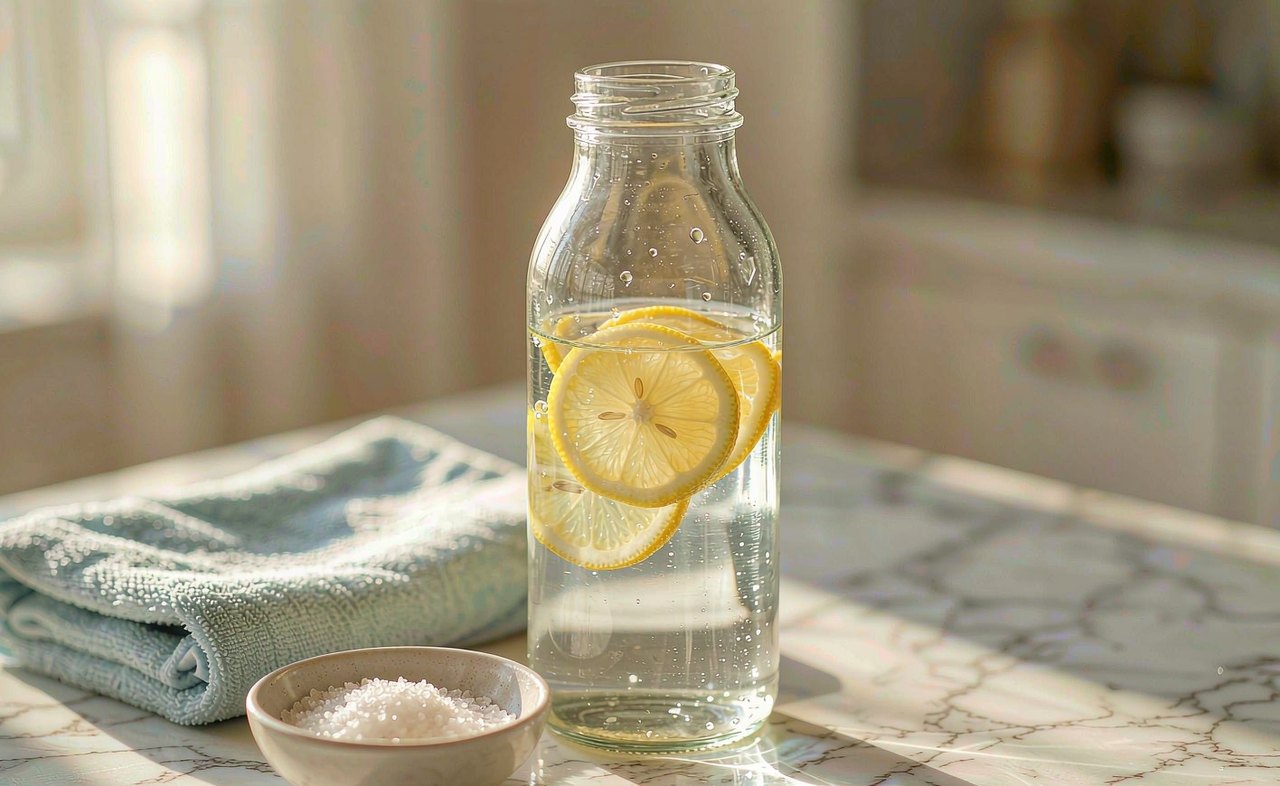
Most hydration advice collapses into "drink more water," which is fine until you are two hours into a hot bike ride and water alone stops working. At that point the problem is usually not volume but concentration: you have replaced the water in sweat and none of the salt, and the body has to dilute what is left in your blood to absorb it.
This guide works through what sweat actually contains, how to measure your own loss in a single session with a bathroom scale, when a sports drink is worth the money and when it is expensive flavoured water, and the one hydration mistake that is genuinely dangerous rather than merely uncomfortable.
What Sweat Is Actually Made Of
Sweat is roughly 99% water. The solutes that matter are sodium and chloride, with much smaller amounts of potassium, magnesium and lactate. Concentrations vary enormously between people - and between the same person on different days - but the ranges below are the ones used in exercise physiology:
- Sodium: typically 10 to 90 mmol per litre, which is 230 to 2,070 mg of sodium per litre. Most recreational exercisers sit somewhere between 300 and 1,200 mg/L.
- Chloride: the main partner ion, tracking sodium closely.
- Potassium: around 4 to 5 mmol per litre - small enough that sweat is not a meaningful potassium loss.
- Magnesium and calcium: trace amounts. A normal diet replaces them several times over.
Two consequences follow from that. First, sodium is the electrolyte worth thinking about; the rest is marketing. Second, "everyone needs 1,000 mg of sodium per hour" is not a rule, because the person next to you may lose a third of what you do.
Measure Your Own Sweat Rate in One Session
You do not need a lab. You need a scale that reads to 0.1 kg, a towel, and one normal training session in the conditions you actually train in.
- Weigh yourself with as little clothing as practical, right before you start. Write the number down.
- Record exactly how much you drink during the session - fill a bottle to a marked line, or weigh the bottle before and after.
- Weigh yourself again immediately afterwards, towel-dried, same clothing state. Do not drink anything between the final effort and the weigh-in.
- Subtract: starting weight minus ending weight gives the mass you lost in kilograms. Each kilogram is approximately one litre of fluid.
- Add the volume you drank, then divide by the session length in hours.
A worked example: you start at 74.2 kg, finish at 73.4 kg, and drank 0.5 L over 75 minutes. The scale shows 0.8 kg lost, so total sweat was 0.8 + 0.5 = 1.3 L in 1.25 hours, which is about 1.04 L per hour. Repeat the test once in cool conditions and once in heat - the number will differ, and the hot-weather figure is the one to plan around.
Treat the result as a planning figure, not a target to match drink for drink. Replacing 100% of losses during exercise is usually unnecessary and often uncomfortable; replacing most of them across the day is what matters.
How Much Sodium You Are Actually Losing
Multiplying sweat volume by sodium concentration is the honest arithmetic. At 1 L per hour and a middling 800 mg/L, you lose roughly 800 mg of sodium per hour. Two hours of that is 1,600 mg - close to the entire daily sodium intake recommended for most adults, which is under 2,300 mg per day.
You can estimate your own concentration without a lab test by looking at your kit. People with visibly white salt rings on dark clothing, or a salty taste when they wipe their face, tend to sit at the high end. So do people who cramp easily in heat, though cramping has other causes too and is not purely a sodium problem.
Body size, fitness, acclimatisation and genetics all move the number. Heat acclimatisation is the one you can change: after one to two weeks of training in the heat, sweat rate rises but sodium concentration usually falls, because the body gets better at conserving salt.
When Plain Water Is the Right Answer
For sessions under about 60 to 90 minutes at moderate intensity, water is enough for almost everyone, and it is the better choice for anyone watching sodium intake for blood pressure reasons. Your stored sodium and the salt in your last meal cover the loss.
The same applies to everyday hydration outside exercise. Eight glasses is a folk number; a more practical approach is to drink with meals, keep a bottle within reach, and use urine colour as a rough gauge - pale straw suggests adequate intake, dark amber suggests you have some catching up to do. Thirst is a reasonable guide for healthy adults at rest, though it lags behind during hard exercise and in older adults.
When Electrolytes Earn Their Place
Four conditions shift the balance towards a drink with sodium in it:
- Duration beyond roughly 90 minutes, especially continuous effort where you cannot eat properly.
- Heat. High sweat rates plus high sodium concentration is the combination that produces the classic post-session headache, dizziness on standing and dark urine.
- Back-to-back sessions. Two trainings in a day leave no recovery window for a normal meal to restore sodium.
- Very high sweat sodium. If you finish every summer session with salt crusted on your face, you are the person this section is for.
Notice what is not on that list: ordinary gym sessions, walking, yoga, or a 45-minute run in cool weather. Those do not require a supplement, and using one anyway adds sugar and cost without benefit.
Reading a Sports Drink Label Without Being Sold To
Two numbers on the label decide whether a drink is useful during exercise: sodium per litre and carbohydrate percentage. Most commercial sports drinks land between 300 and 600 mg of sodium per litre and 4% to 8% carbohydrate. That combination is not arbitrary - it is roughly what absorbs fastest without causing gut distress.
What to watch for:
- Sodium stated per serving, not per bottle. A 591 mL bottle with two servings listed delivers double the number you read first.
- Carbohydrate above about 8% slows gastric emptying, which is why soft drinks and fruit juice are poor choices mid-session.
- "Electrolyte" waters with 10 to 30 mg of sodium per litre. That is flavoured water. It is fine, but it will not replace a salty sweater's losses.
- Zero-calorie mixes are useful for short sessions and for people who cannot tolerate sugar, but they provide no fuel; if the session is long, eat separately.
A Home Mix That Costs Almost Nothing
If you only need sodium and a little carbohydrate, mixing your own is cheap and lets you control the concentration:
- 1 litre of water
- 1/8 to 1/4 teaspoon of table salt - about 290 to 575 mg of sodium
- 1 to 2 tablespoons of sugar or honey, or a splash of juice for taste (roughly 3% to 5% carbohydrate)
- Optional: a squeeze of lemon or lime
Measure the salt with a proper measuring spoon rather than estimating from a shaker; the difference between 1/8 and 1/2 teaspoon is more than 800 mg of sodium. If the mix tastes unpleasantly salty, you have probably overshot, and diluting it is better than drinking it anyway.
The Risk That Runs the Other Way
The genuinely dangerous hydration error is not dehydration. It is drinking large volumes of plain water faster than the kidneys can excrete it, which dilutes blood sodium - exercise-associated hyponatremia. It shows up in endurance events, and the pattern is consistent: slower participants, long duration, abundant water stations, and a habit of drinking on a schedule regardless of thirst.
Early symptoms - nausea, headache, bloating, feeling "sloshy" - look a lot like dehydration, which is exactly why people make it worse by drinking more. Confusion, vomiting, seizures or swelling are emergencies. The prevention is unglamorous: drink to thirst, include sodium when sessions are long, and do not force fluid to hit a predetermined number.
Food Does Most of the Work
For anyone eating a normal diet, food supplies the bulk of electrolytes. A cup of milk, a banana, a handful of nuts, potatoes, beans and leafy greens cover potassium and magnesium comfortably. Sodium comes from bread, cheese, sauces and anything processed - which is why people who eat very little packaged food sometimes notice salt cravings after hard training.
Practically, that means the recovery meal matters more than the bottle. A meal with carbohydrate, some protein and a normal amount of salt, eaten within a couple of hours, restores far more than a sports drink does.
For related reading, see how much water you actually need in a day and what recovery actually requires.
This article provides general health information only and is not medical advice. It does not diagnose or treat any condition. Sodium recommendations differ for people with high blood pressure, kidney disease, heart failure, or anyone taking diuretics or lithium; if that applies to you, ask a qualified clinician before changing your fluid or sodium intake.
By the Wellspring Daily editorial team · How we check our guides
A note on health advice
This guide shares general wellbeing information based on published guidance and personal testing. It is not medical advice. If you have a condition, are pregnant, or feel pain during any movement, check with a qualified professional before starting.